͏‌ ͏‌ ͏‌ ͏‌ ͏‌ ͏‌ ͏‌ ͏‌ ͏‌ ͏‌ ͏‌ ͏‌ ͏‌ ͏‌ ͏‌ ͏‌ ͏‌ ͏‌ ͏‌ ͏‌ ͏‌ ͏‌ ͏‌ ͏‌ ͏‌ ͏‌ ͏‌ ͏‌ ͏‌ ͏‌ ͏‌ ͏‌ ͏‌ ͏‌ ͏‌ ͏‌ ͏‌ ͏‌ ͏‌ ͏‌ ͏‌ ͏‌ ͏‌ ͏‌ ͏‌ ͏‌ ͏‌ ͏‌ ͏‌ ͏‌ ͏‌ ͏‌ ͏‌ ͏‌ ͏‌ ͏‌ ͏‌ ͏‌ ͏‌ ͏‌ ͏‌ ͏‌ ͏‌ ͏‌ ͏‌ ͏‌ ͏‌ ͏‌ ͏‌ ͏‌ ͏‌ ͏‌ ͏‌ ͏‌ ͏‌ ͏‌ 
Is this email not displaying correctly? View it in your browser.
Image description

Blue Apocalypse Tea Times

A monthly e-newsletter of tea musings by Ai-Ling @blueapocalypse.

Newsletter #4 - Tea is Cold in Nature

Last November I made a spontaneous trip to Taiwan for the 3rd Taiwan International Chawan (Bowl Tea) Festival which occurs every three years. The festival opened on Thursday 30 October 2025, and I was watching it unfold in real time through people sharing on social media, wishing I could be there.


But I could be there.


The festival ran for 2 weeks from 30 October to 16 November 2025.


Over the first weekend, I watched the highlights of the festival online and contemplated going, and within two days I decided I would go. I booked flights, found some accommodation, changed any work commitments I had, and a few days later I was on my way to Taiwan to experience the second week of the Chawan Festival.

Image description

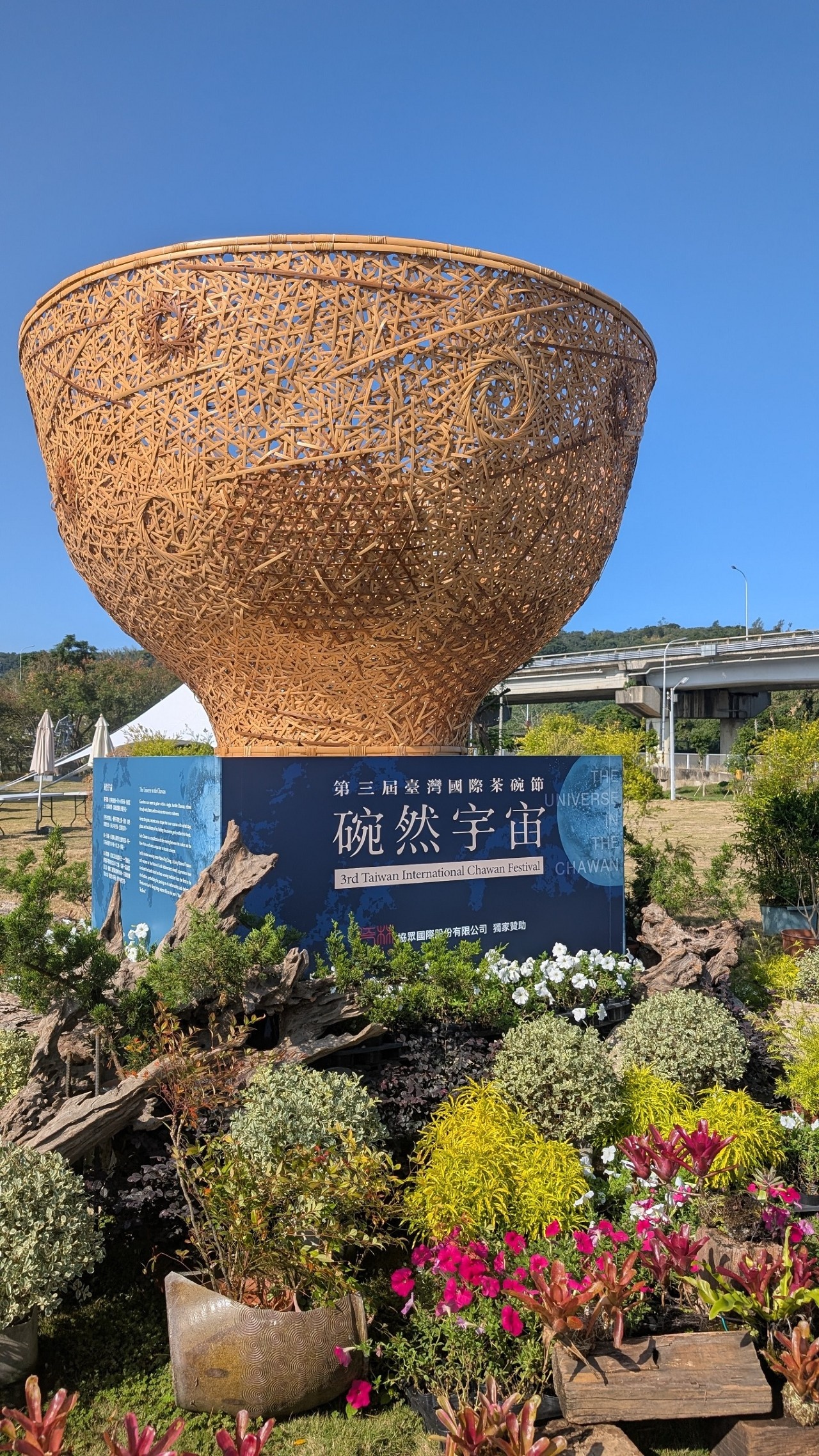
 Entry of the Taiwan International Chawan Festival bowl - featuring the Biggest Tea Bowl!

Image description

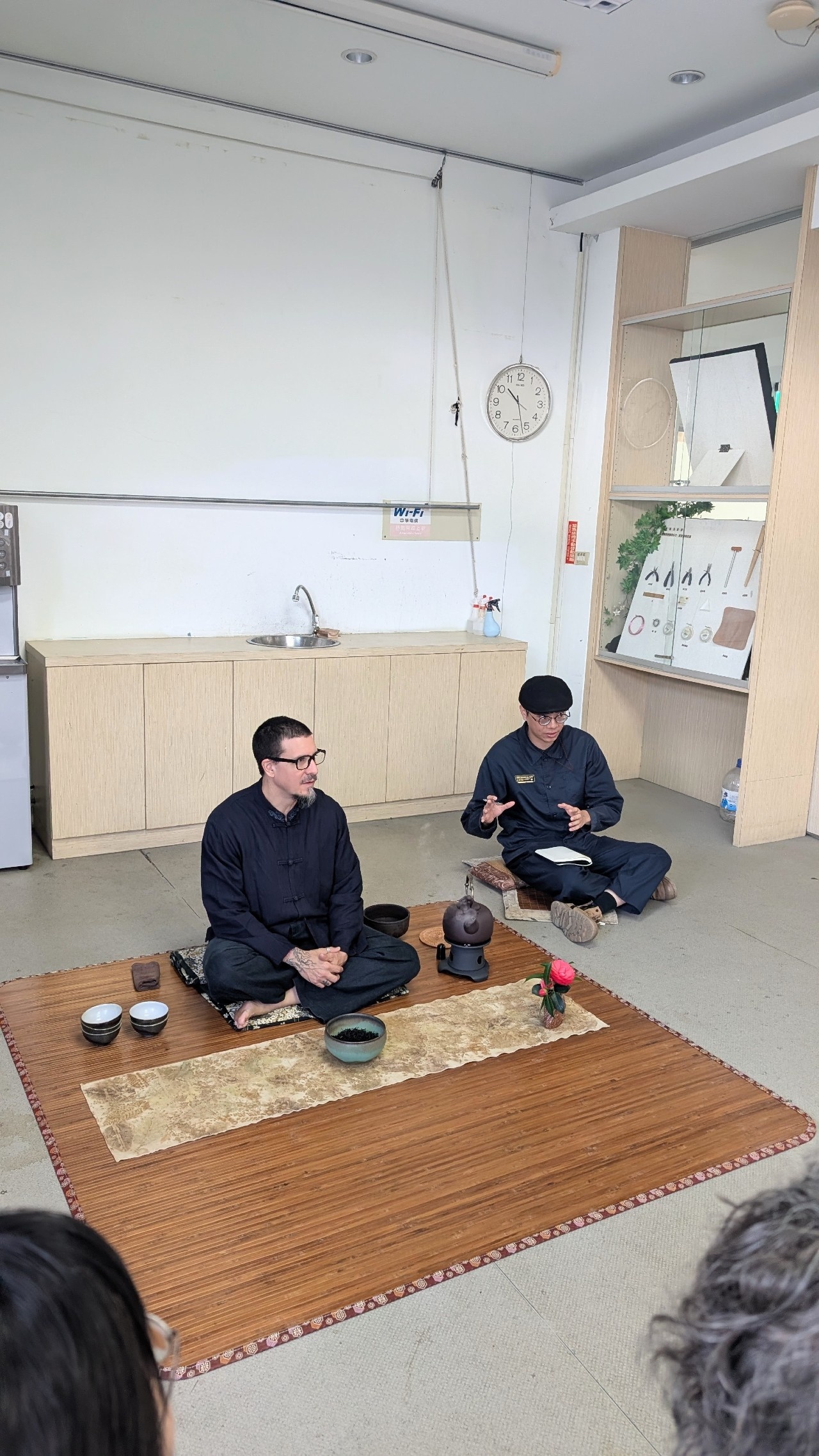
Introduction to Cha Dao workshop at Chawan Festival taught by Wu De, founder and teacher of Global Tea Hut with Sascha translating into mandarin.


***


In conversations on the last day of the festival, I shared - “this was a really spontaneous decision but I’m really glad I came.” Wu De replied with “you should follow your bliss.”


Follow Your Bliss


I’ve heard this saying from time to time. I thought it was just some inspirational saying like - “Chasing Your Dreams” or “Doing What You Love”.


A few months later I discovered the origins and deeper layers of this quote when I started listening to the Tea Soup Podcast hosted by Derek Poskin from One River Tea - sharing what it’s like living in China through his stories exploring tea regions and sourcing tea, as well as sharing his learnings on tea history and culture.


The full quote from American writer, mythologist Joseph Campbell is - 


If you follow your bliss, you put yourself on a kind of track that has been there all the while, waiting for you, and the life that you ought to be living is the one you are living. When you can see that, you begin to meet people who are in your field of bliss, and they open doors to you. I say, follow your bliss and don't be afraid, and doors will open where you didn't know they were going to be. If you follow your bliss, doors will open for you. That wouldn’t have opened for anyone else.”


Derek shared this quote on the podcast as he relayed experiences of connecting with tea people and sourcing tea in China, often on a whim, without planning and some unexpected but wonderful things happen when you are on your path, doing something you really enjoy. 


Follow Your Bliss


It’s the deep resonant feeling of being alive that comes when you are on the path that is uniquely yours, and also don’t be afraid to reach out to people on that path.


Follow Your Bliss


These words have started to mean something to me. 

Tea is my bliss and I have been following a path of tea. 

I have been serving more tea ceremonies/experiences and have made lots of wonderful connections with people through tea. 

Doors have opened. I have opened.

If you are reading this little newsletter, it means the world to me that people care about what I share about tea.


Follow Your Bliss


Find what it is and don’t be afraid to follow it. And the universe will open doors for you where there were only walls.

Image description

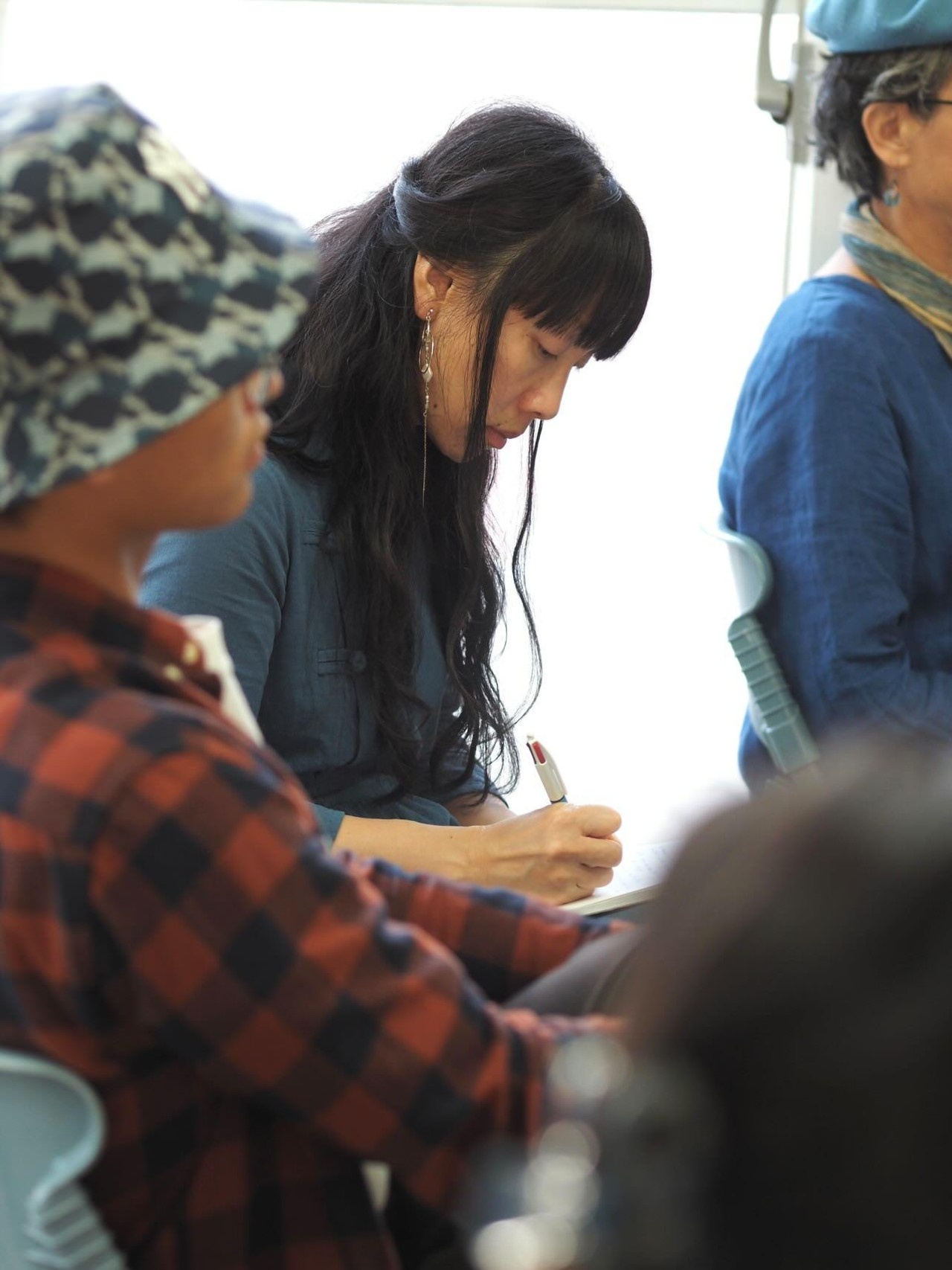
Student of tea, taking notes during a tea workshop at Chawan Festival…just following her bliss.

What I've learnt from tea

Tea has a nature. 


All foods in Traditional Chinese Medicine (TCM) have a thermal nature - Hot, Warming, Cooling and Cold. Foods that don’t have a thermal nature are considered Neutral. The thermal nature doesn't refer to the physical temperature of the food, but rather its energetic effect on the body and the sensation our body feels internally after consuming the food.


Some examples.


Ginger is warm in nature in TCM. Ginger has a warm energy, pungent flavor, an ability to clear wind-cold pathogens and stimulates circulation. We consume ginger in hot water as a remedy for colds and to soothe a sore throat. Ginger is a winter staple.


Watermelon is cold in nature in TCM. It is a great cooling remedy for clearing internal heat, dispelling summer heat, hydrating the body and relieving thirst. Watermelon is a popular summer fruit.


The tea plant itself is cold natured. 


The craft of processing and making tea - transforms a cold natured medicinal plant into a beverage that has different thermal natures. 


A rough guide.


Lightly oxidised and unfermented teas like green tea, white tea and fresh/raw sheng puerh have a cooling nature. These teas are considered Yin cooling teas that clear internal heat, reduce inflammation, restore balance - making them ideal for summer or individuals with ‘hotter’ constitutions.


Fully oxidised and fermented teas like red tea, black tea, ripe/cooked shou puerh, aged sheng puerh and heavily roasted oolongs have a warming nature. These teas are deeply warming, invigorate Yang energy, stimulate the body, soothe digestion - making them best to drink during autumn and winter with the colder external environment. 


All tea comes from the same plant and depending on how it's processed after picking - it can be cooling or warming in nature. 


Less processing keeps the leaf closer to its natural state - cooler. More processing generates heat through chemical transformation - warmer. 


Green tea goes through a kill-green process (shāqīng) to stop oxidation, keeping the leaf close to its natural cool state. Red tea goes through a process of heavy or full oxidation (wòhóng), which generates warmth. Shou puerh is post-fermented using a wet-piling method (wòduī), which also produces a warming character.


Roasting can also shift a tea's nature. A lightly roasted oolong has a neutral to cool thermal nature, but a heavily roasted oolong moves toward warming and heaty thermal nature.


Have you ever thought about what tea you are drinking and its effect on your body, or how it makes you feel throughout the seasons?


Different teas, like different foods, are ideal for different seasons. 


In summer we tend to eat lighter, fresher and consume more salad, while in winter we seek the comfort of warming soups and stews.


I try to drink tea seasonally to maintain balance and harmony. In the warmer months - white, green, young sheng puerh - more cooling teas. Yes, I drink hot tea to cool down in summer, because I drink teas that have cooling properties.


It’s winter in Perth, Australia so I am currently drinking more warming teas - red teas, black teas, shou puerh, aged sheng puerh and roasted oolongs.


There is a lot of information about the benefits of drinking green tea everyday and there is currently a big matcha (powdered green tea) trend from layered matcha drinks with fruit to matcha lattes. Green tea is the most popular and well known tea but there is a world of tea beyond green tea - white tea, yellow tea, oolong, black tea, red tea, puerh - within each of these categories of tea, there are many different types/varietals.


Understanding more about the nature of tea, I would not be drinking green tea everyday because of its thermal cold nature. Also because I have so many other teas to drink.


I’m not an expert but a student of tea and always learning. I share my learnings on tea so you can also have more information to understand the nature of tea in your exploration of drinking tea.

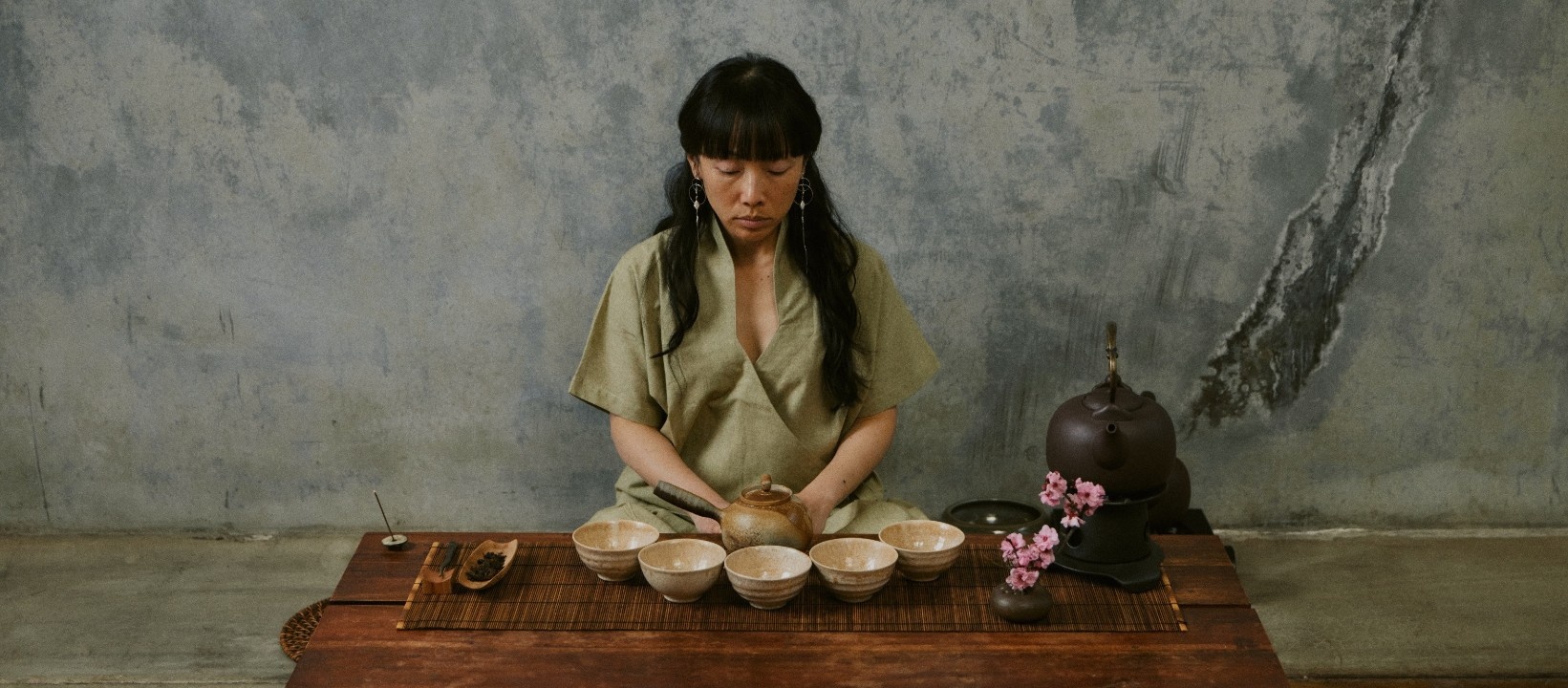
Image description

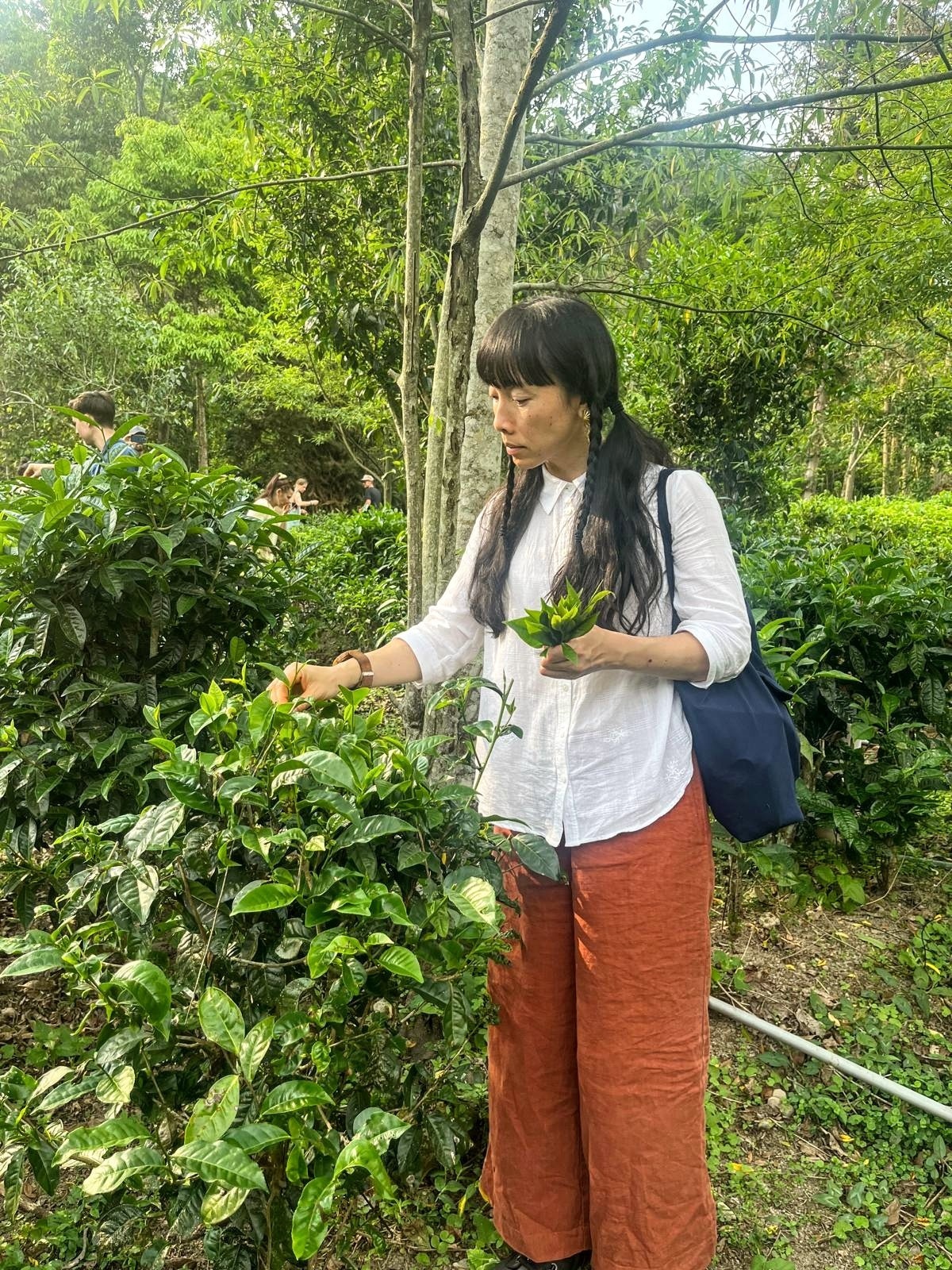
Picking tea on a tea trip in Taiwan

What I'm drinking

If you read my last Newsletter #3 where I shared I have started my journey learning about and drinking boiled tea. I am now pretty exclusively drinking tea blends.


The best teas for blending and boiling are aged sheng puerh, shou puerh and black teas.


Currently experimenting with young shou puerhs like The Depths and Empty Basin as a base of a tea blend with a little bit of older shou puerhs or aged sheng puerhs in my collection from the 1980s, and getting a better understanding of how teas relate to each other.


Tea blending allows me to conserve some of my older/aged tea, and use a little bit in a mix and still appreciate what it gives.


Blending tea is full of trial and error. I have some basic guides and understanding, and then everything else is experiential and experimentational learning. 


Just like cooking - we learn through experience (cooking a dish multiple times to develop an understanding of why something works or doesn't work), experimentation, trial and error; and refining our techniques and palates. 


With tea, there is also an energetic aspect to take into account - how teas fuse together energetically. I know that a tea blend works well if I feel good for a period of time afterwards and can still feel the tea energy (Cha Qi) in me.


“There are no mistakes in tea, only lessons.” - Wu De


I am learning many tea lessons.

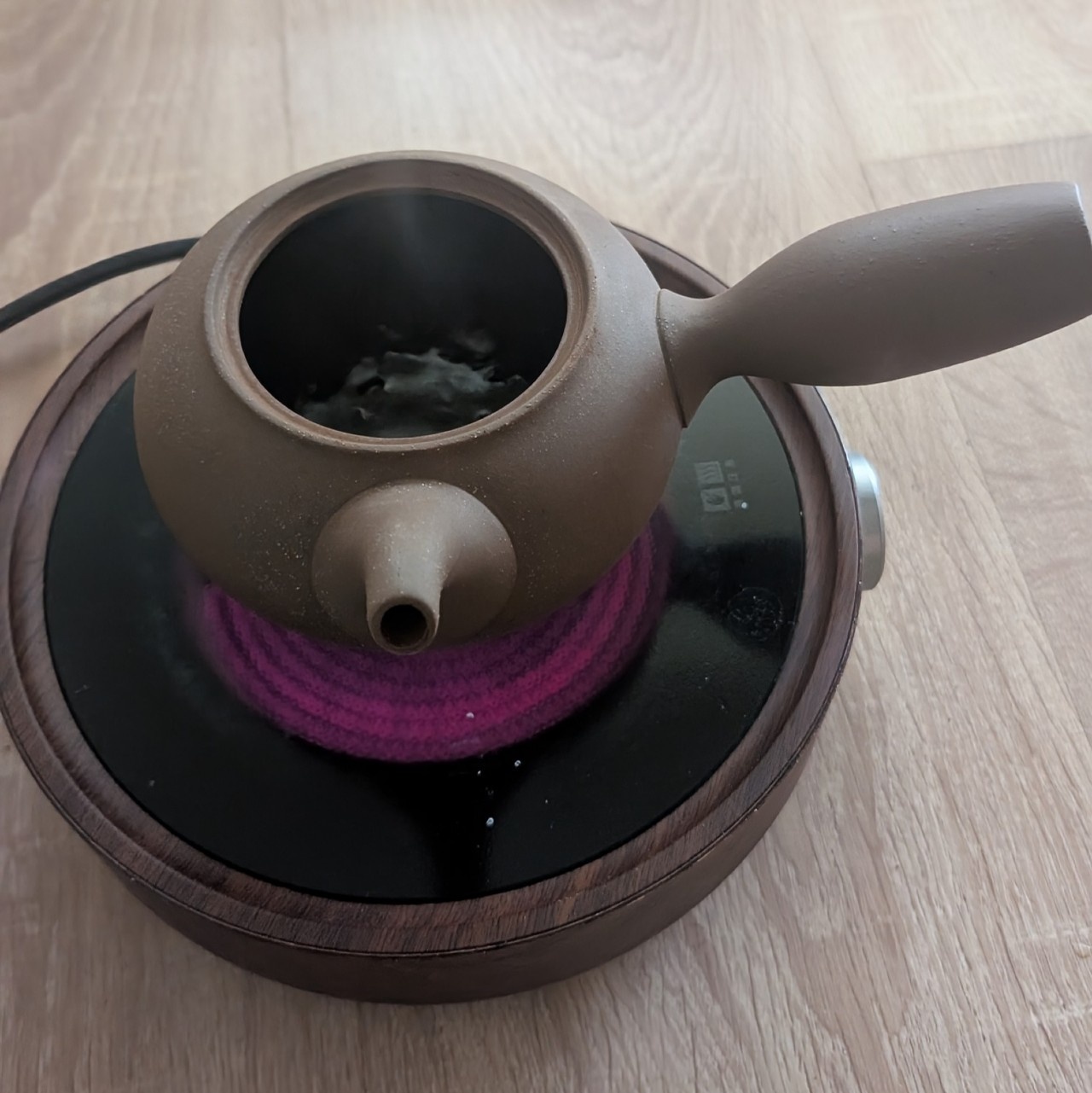
Image description

Boiling tea with my little flameproof sidehandle teapot on an infrared electric stove. Trying and drinking different tea blends to find the most harmonious mix.

What I'm listening to

Image description

The album Who Tends A Garden by Alaskan Tapes explores the metaphorical and literal meaning of a garden, whether it’s composed of sound or of the dirt in one’s yard. 


An ambient album of soundscapes that has lush, delicate textures and is moving, slow building.


A lovely album to listen to while drinking tea.


Listen on Bandcamp, Spotify or wherever you get your music from :)

What I'm cooking

Drinking a lot of shou puerh and aged sheng puerh at the moment - they are the ultimate winter teas!


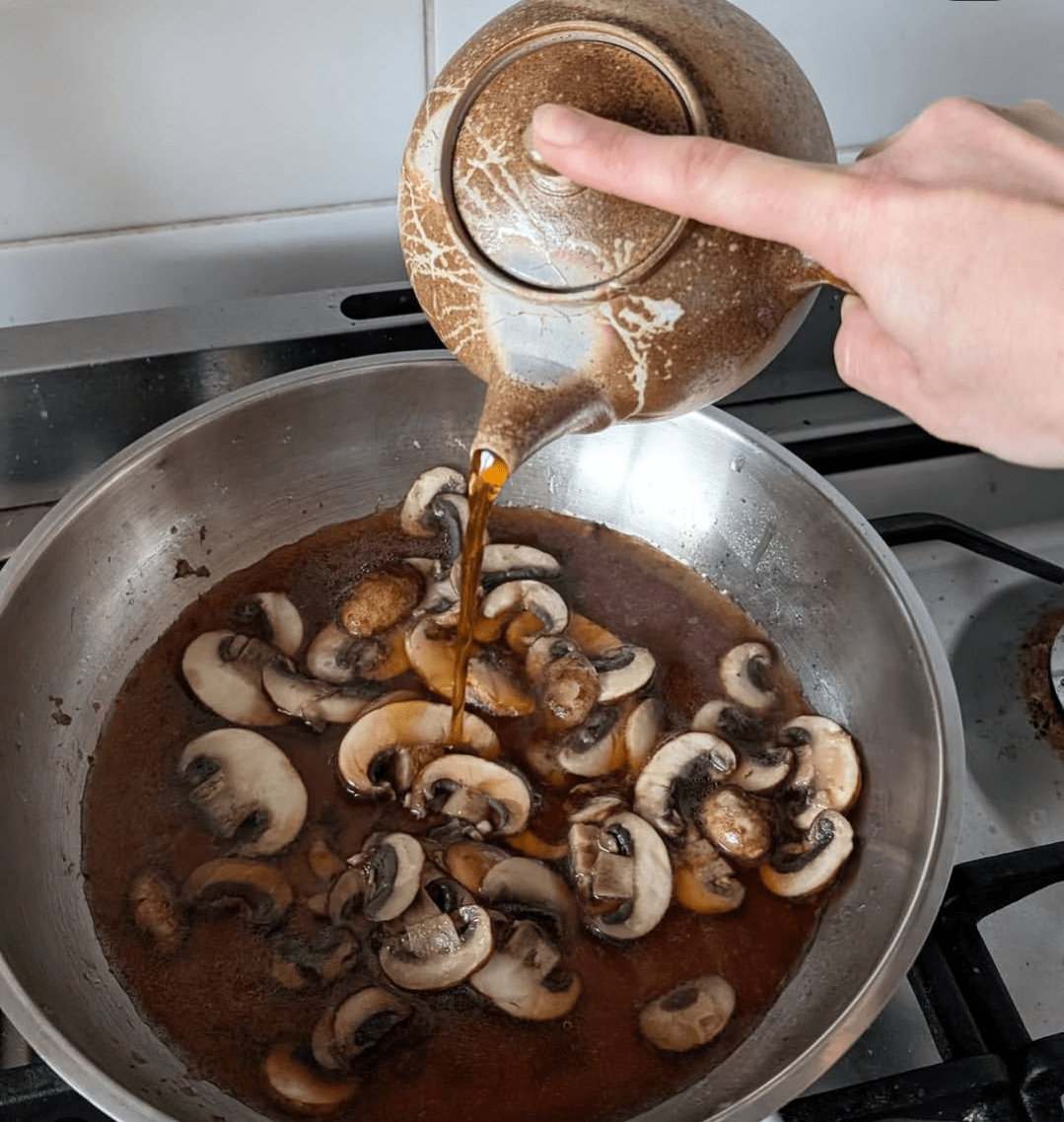
Here is a little puerh sauce you can make for your greens.

Image description

Fry up some sliced mushrooms with a little minced garlic until browned and then add in some brewed shou puerh or aged sheng puerh tea liquid. Season with a little salt. Thicken the sauce with some cornflour mixed with water to create a slurry to add in. 


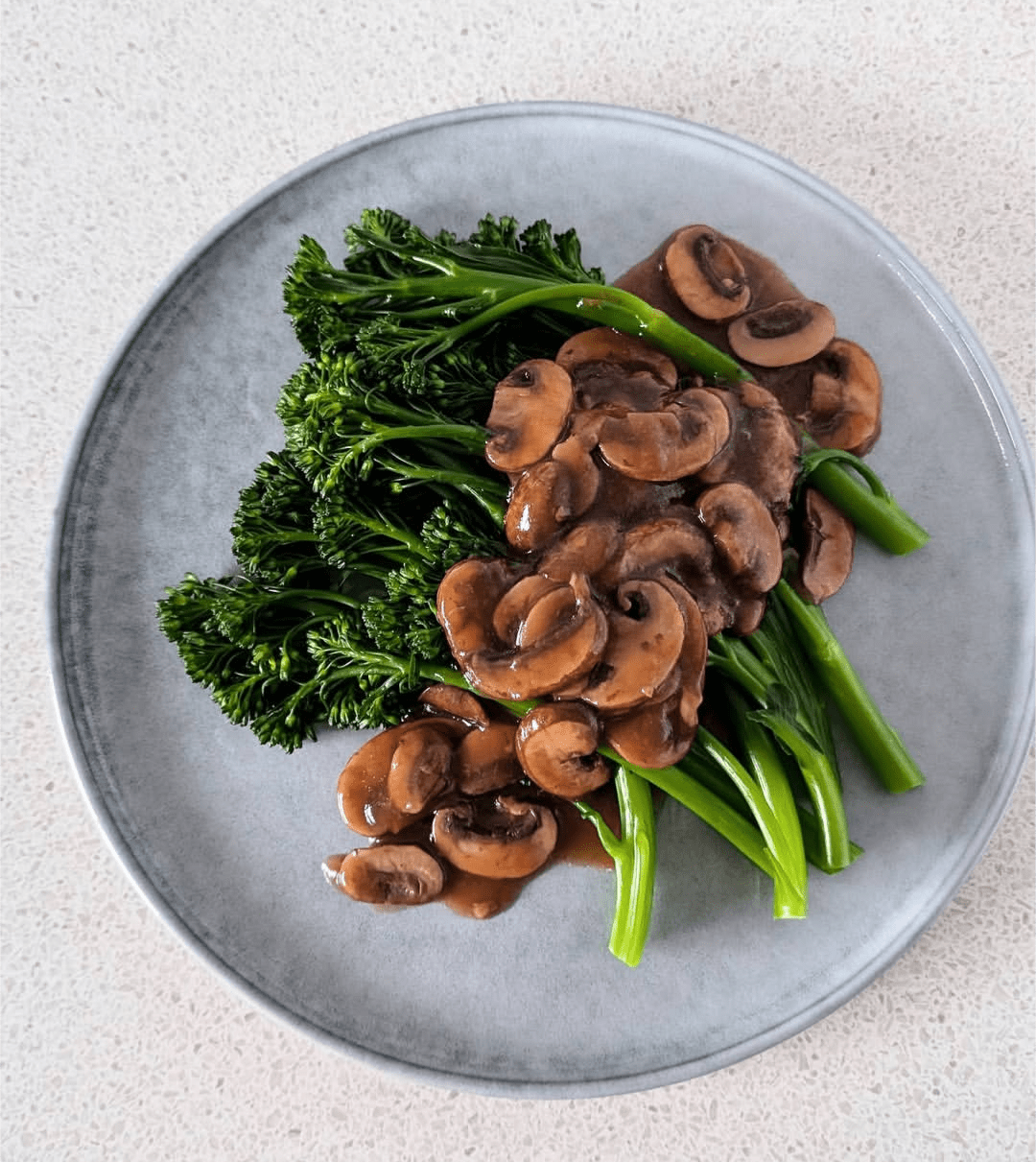
Spoon this puerh tea sauce on top of some blanched greens like broccolini.


A dish inspired by the experience of drinking puerh which feels like moving through a forest and a walk through a forest would not be complete without mushrooms.

Image description

When I'm sharing tea next

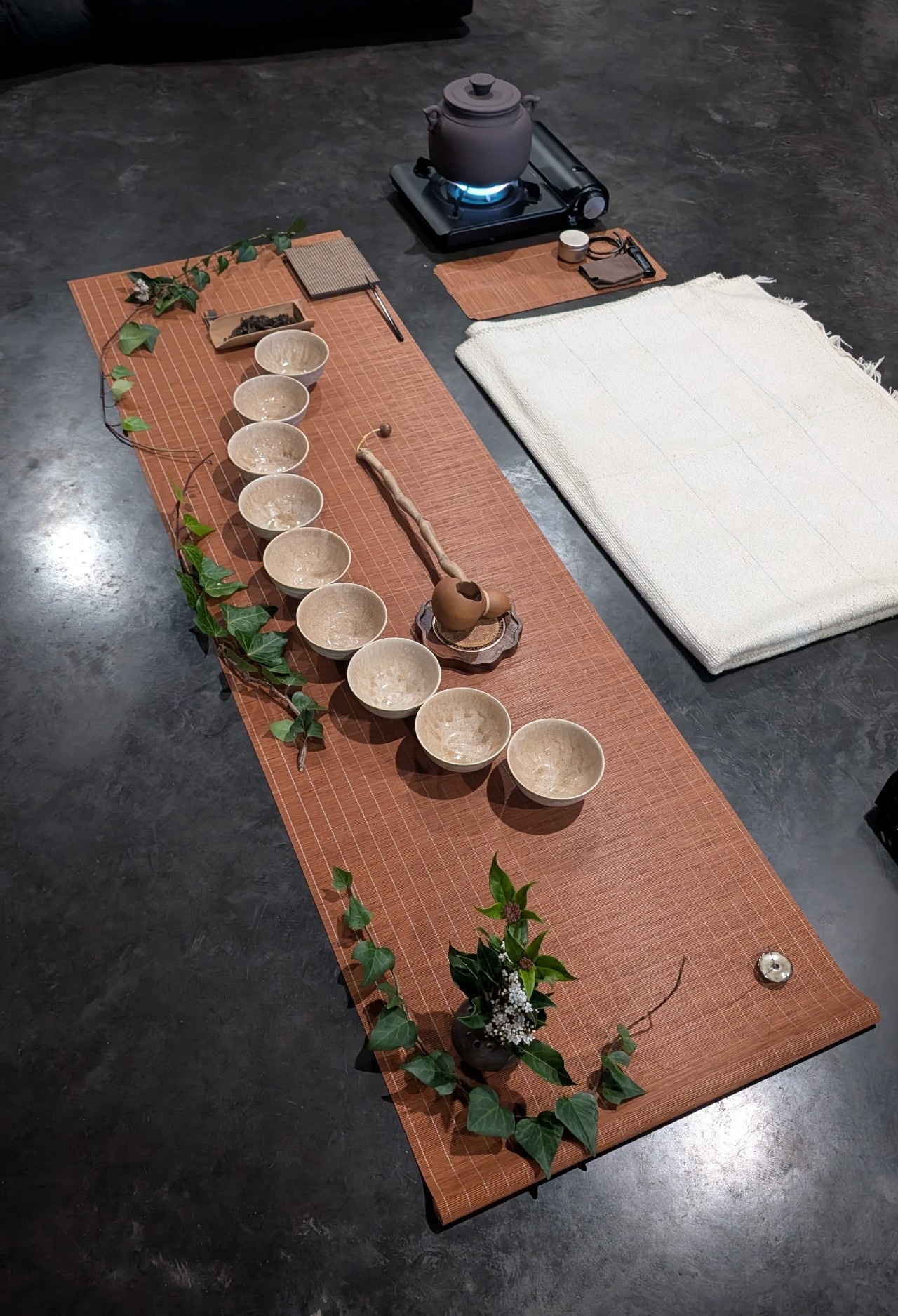
Join me for more winter tea times - I have been serving Cha Dao Tea Ceremonies using one of the oldest brewing methods - boiled tea.


Also honoured to be asked to serve two birthday tea ceremonies in August. If a silent tea party is how you roll, feel free to email me at [email protected] to organise a private tea ceremony. 


Image description

Boiled Tea set up for tea ceremony at Cntre Space in North Perth.

Thanks for reading!


Many blessings

Ai-Ling

張愛玲


Know someone who would love these tea musings? Feel free to forward it :) 


If you haven’t subscribed, you can sign up to my monthly e-newsletter to receive it in your inbox here.

Blue Apocalypse Tea Times - Archive


Newsletter #1 - Go drink your tea! (April 2026)

Newsletter #2 - Hot Water for Tea (May 2026)

Newsletter #3 - Boiled Tea (June 2026)

If you would like to unsubscribe, please click here.
Powered by Sender.net