‌ ‌ ‌ ‌ ‌ ‌ ‌ ‌ ‌ ‌ 
Is this email not displaying correctly? View it in your browser.
Logo

Dew drops

Image description

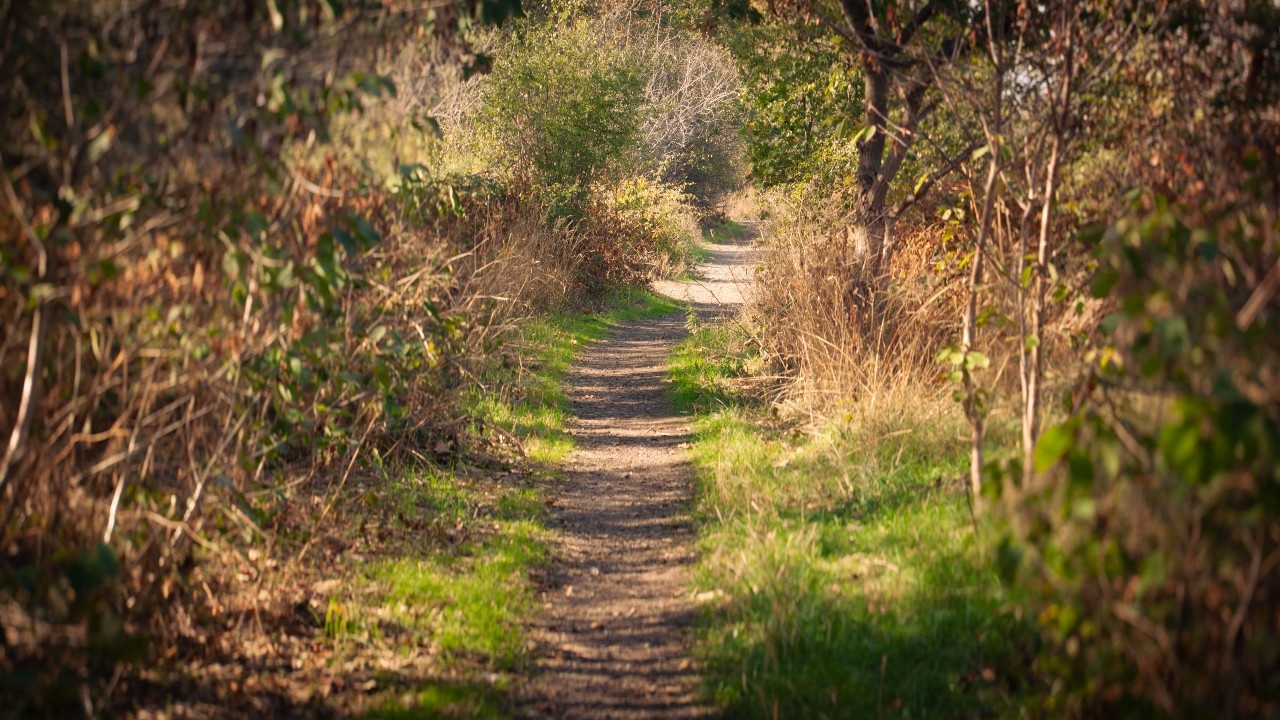
The Uxbridge Road path: Green shoots as some trees and shrubs send out fresh leaves in late September, and the grass and wildflowers return to growth.

Hello Hampton Heath Friends!

We're a couple of days late, but here's the newsletter for last week!


Though it feels cooler, September's average temperatures were a huge 2.4°C above where they should be - one of the warmest Septembers on record across England - with less than 60% of the rainfall we should have seen.

So after the longest, hottest, driest spring and summers ever, and many trees under severe stress, why are we seeing new leaves growing in September?

This and all the latest nature notes are below>>

Image description

Since last time...

Last weekend was the last of September, the days are shorter than the nights, and we really should be entering the season of high rainfall and "equinoxial gales". But at the Heath most of the volunteer group were again barrowing water to keep last winter's trees and hedgerow plants alive, as meaningful rain continues to hold off.

The good news is that shorter days, lower temperatures (though still way above the old "normal") and night-time dew all help our drought-stressed plants cope, and provide a much needed source of moisture for invertebrates, small mammals and birds.

Even though we're rolling into mid-autumn, some trees and shrubs are pushing out new leaves to generate late season energy to see them through the winter, after a long aestivation (dormancy used by plants and animals to survive extreme summer conditions).

Making new leaves takes energy, so it can be a bit of a gamble - but its a risk many species will take. Plants photosynthesise less in shorter days with lower sun, so generate less energy at this time of year - and larger trees put themselves at increased risk from autumn gales - if and when they come.

The moisture from dew allows seeds to germinate, and scorched grass and wildflowers to grow - so we are seeing a subtle green tinge to the grasslands as they return to life - with leaves of wild geranium, clover, vetches, buttercups and more.

To give these seedlings the best chance, we're busy removing old grass growth and thatch from some areas - which creates better conditions for wildflower seed germination. Last week, we worked on areas alongside the path near the tennis courts.


And of course, we recovered another load of litter... another great week.

Thanks to everyone who helped us help the Heath in its recovery last week!


Image description

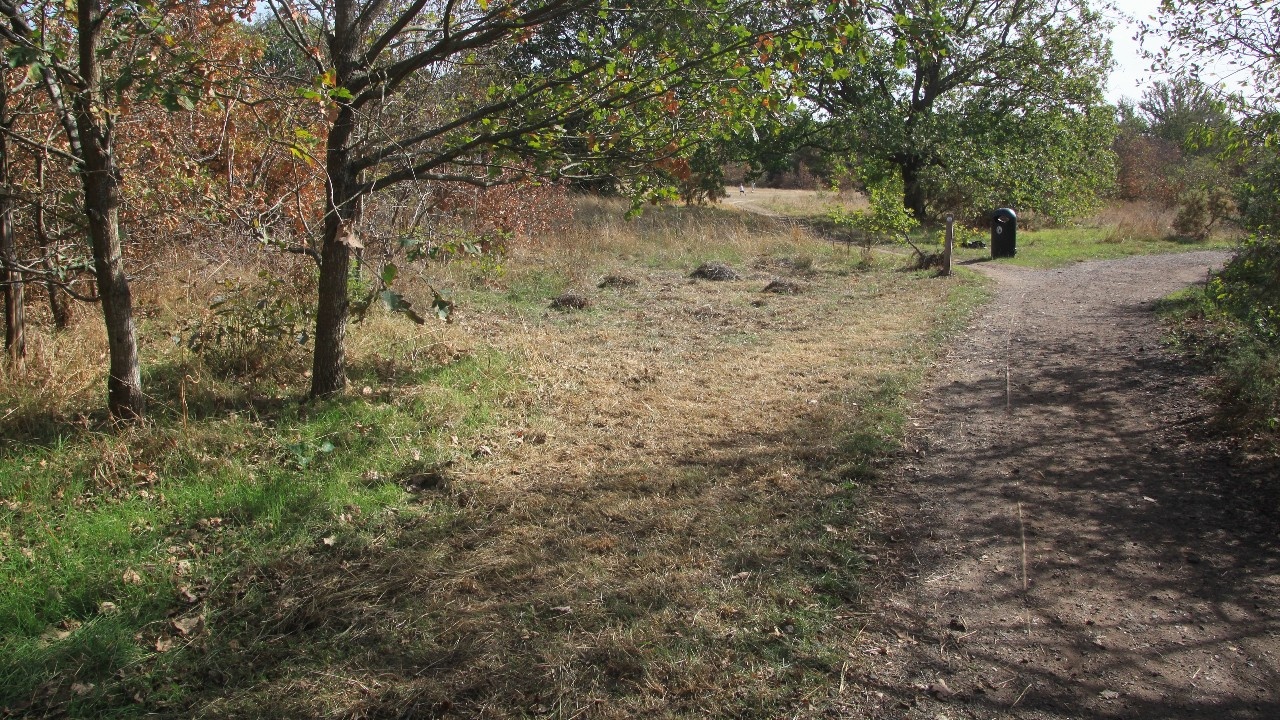
Differential cutting beneath the trees exposes some of our precious meadow ant hills


Image description

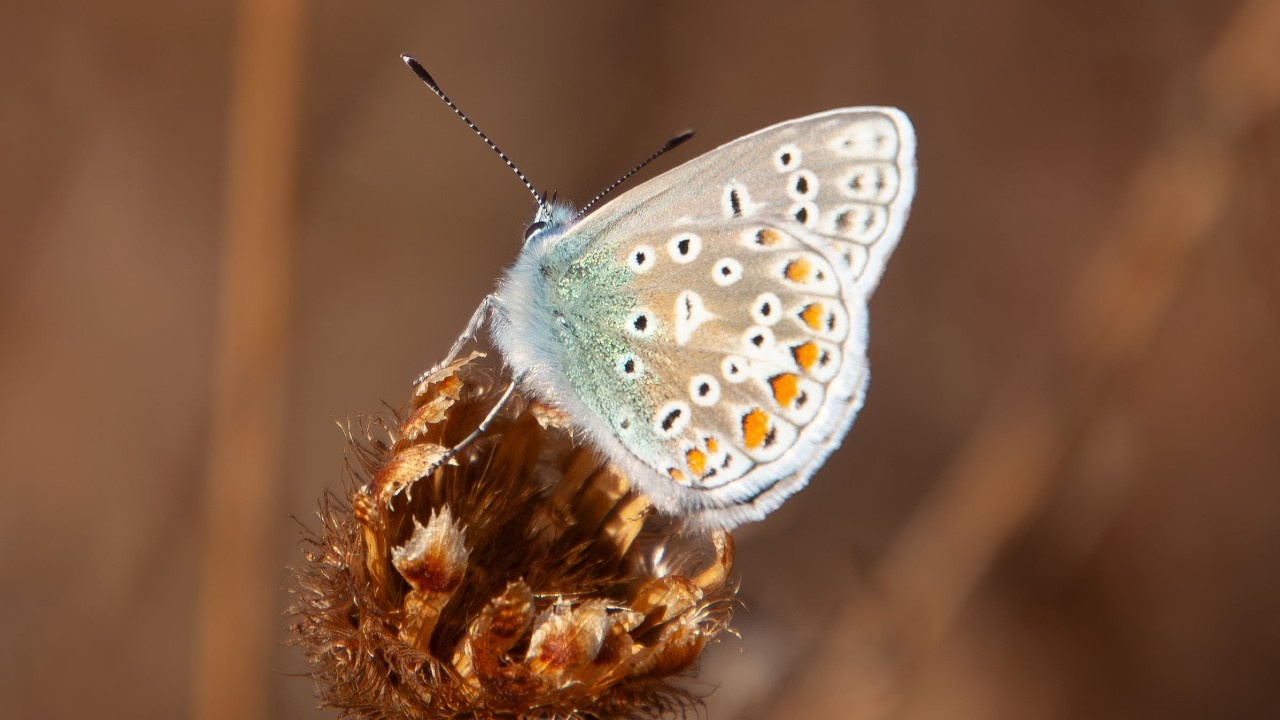
It may have been the last weekend in September, but the butterflies keep flying. Common Blue...


Image description

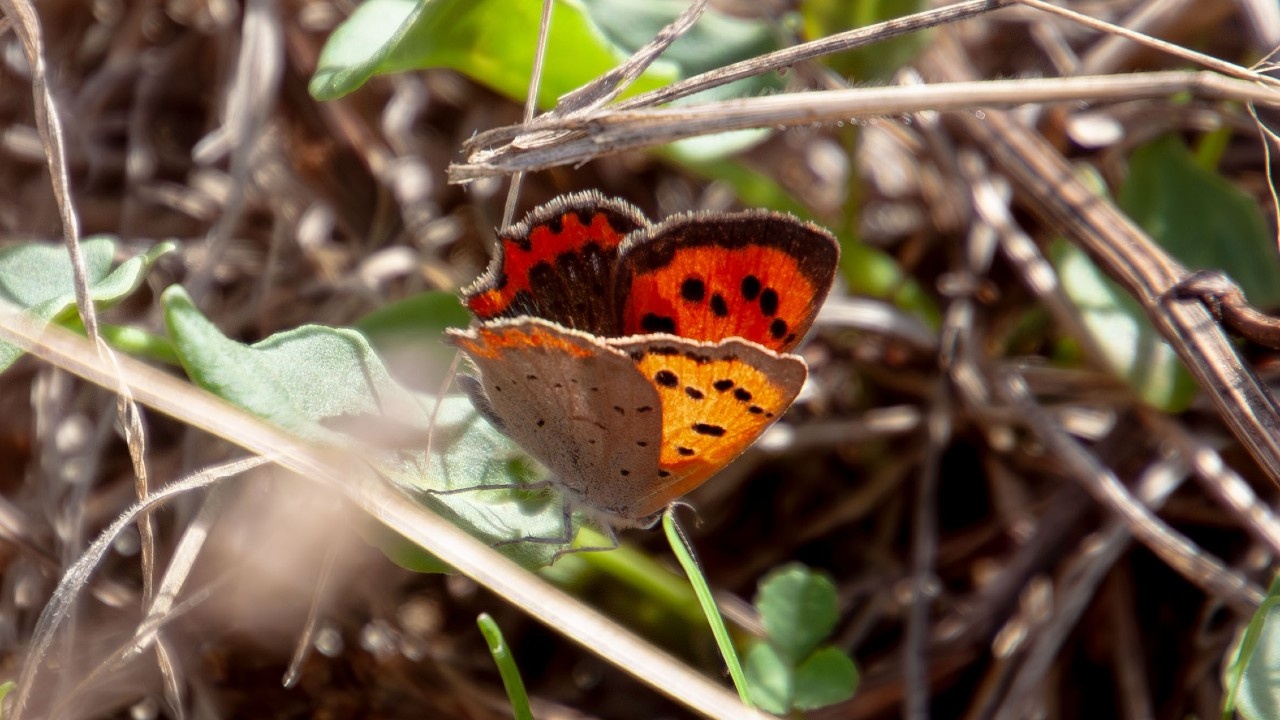
... And Small Copper


Get Involved! Volunteer Action

Why not join our fabulous community of volunteers on a Saturday morning? We'll give training for any equipment, and you'll get a free hot/cold drink courtesy of our friends at David Lloyd afterwards.


It's good for Duke of Edinburgh Awards, and general well-being. There's no commitments, no obligations... just turn up on the day. You can reply to this email with any questions.


This week's actions:

  • Watering in October!

  • Path work and grassland management

  • Litter-picking - as always

  • Wildflower seeding

  • Mattocking bramble roots

  • Enjoying a coffee and chat at David Lloyd afterwards

Every Saturday 10:00-12:00

Where: David Lloyd, Hampton Entrance Foyer [Map]


Who: Everyone! All ages, all abilities. If you are under 18 or have special needs you will need to be accompanied by a responsible adult or carer.


What to bring:

  • Weather appropriate clothing

  • Garden/work gloves

  • Stout boots/footwear

  • Sunscreen, water etc.

  • Favourite secateurs or other (sensible) tools, if you wish!

We'll provide:

  • Tools and safety equipment

  • Rubbish bags and pickers

  • Gloves if needed

Image description

If you do ONE thing THIS WEEK...

If you haven't yet booked, click the link below to book in for the free screening of the "People's Emergency Briefing" film. Screened in local venues up and down the UK, it explores the realities and implications of continuing climate disruption... this may have been the hottest summer in human history, globally and in the UK, but climate change isn't stopping, now. The rate of change is accelerating. Over 100 people have already booked for this - don't miss out!

People's Emergency Briefing at St James's Church, Hampton Hill.

Image description

The screening will be followed by a short discussion session, for those who wish to take part.

Latest nature notes

We've added no fewer than four new species identifications this week, from 14 new records. The new species may "only be flies" (diptera), but flies are some of our most important pollinators, are an essential food source for birds, amphibians, reptiles and small mammals, are fundamental to nutrient cycling and soil creation.

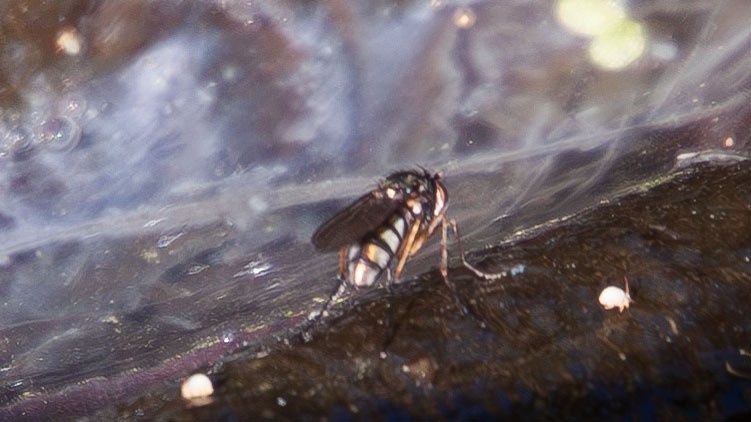
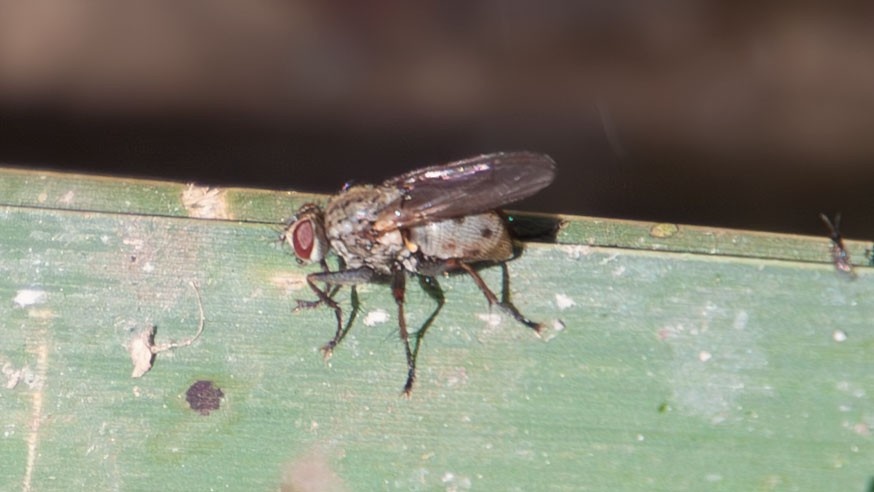
The two small predatory species below (and two others) prey on other small insect species - and were recorded basking on the pond margins.

Other records include:

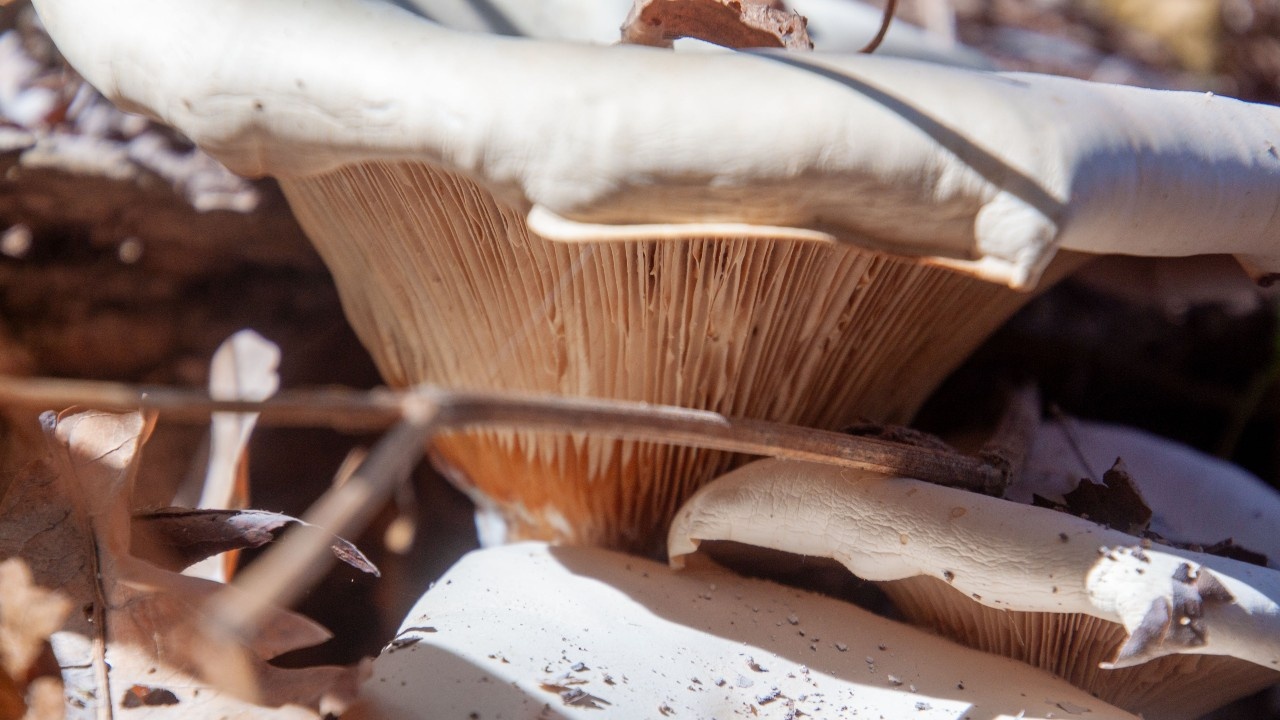
  • Giant Funnel fungi - which is saprobic (derives its nutrients from decomposing matter)

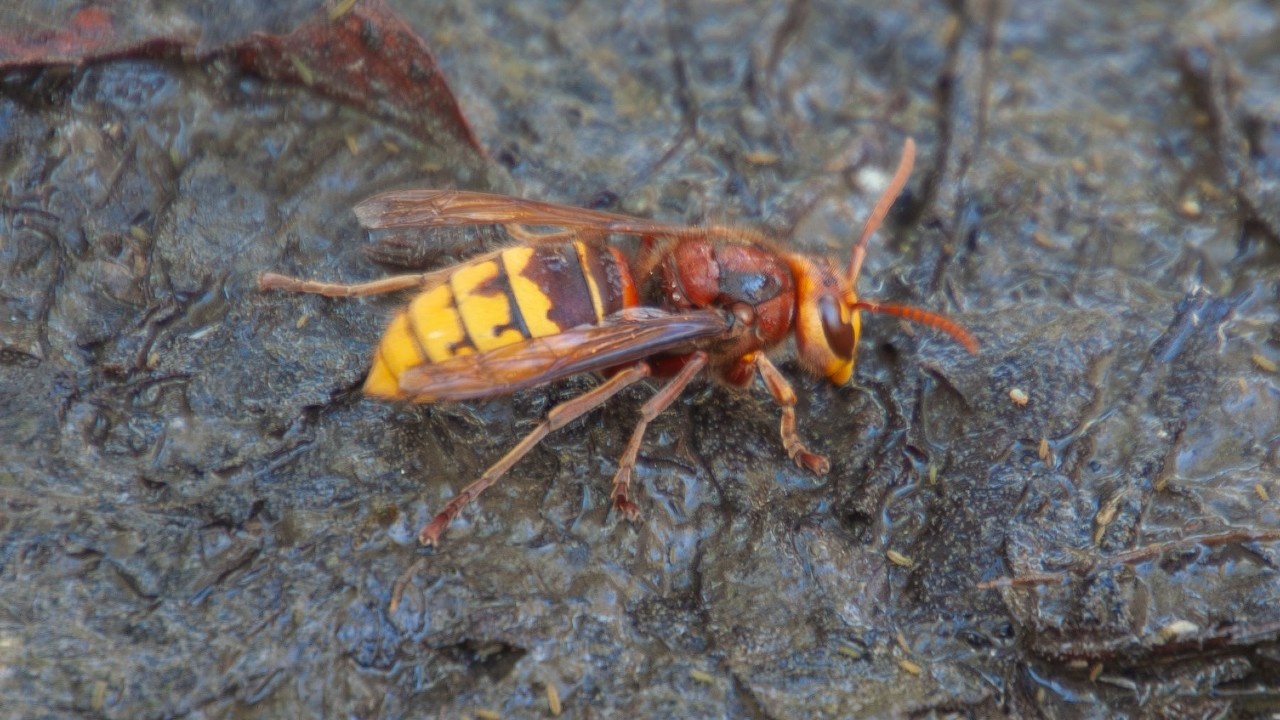
  • European Hornet - worker hornets are using the pond as a reliable source of drinking water. They are extremely docile, and very hard to provoke into stinging. This one allowed me to slowly approach within 30cm to photograph it, and still didn't fly off.

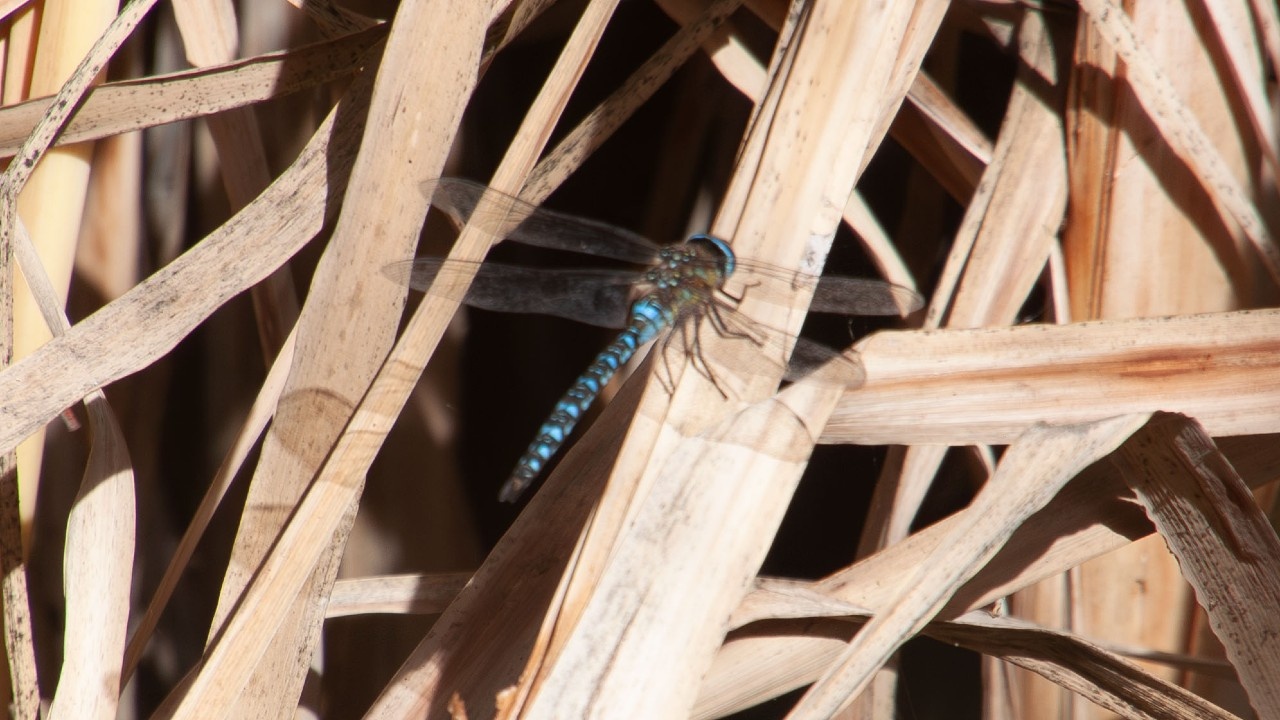
  • Spectacular Migrant Hawker Dragonfly - male and female seen paired at the pond. Dragonflies are not true flies (Diptera), but below to the order Odonata - a completely separate group of insects which includes damseflies.

Image description

One of four new species recorded by the pond last week - a predatory long-legged fly, probably from the genus Hercostomus... with an amazing "black and stainless steel" striped abdomen.


Image description

Another small predatory fly - A Tiger Fly probably genus Coenosia. I guess the Tiger reference is to the fine patterns on its abdomen - though spots are much larger!

Image description

Giant Funnel mushrooms pop-up at Hampton Heath most years. These big, white dish-shaped fungi can grow bigger than a dinner plate.


Image description

A European Hornet takes a drink. The pond has been really important for many insects


Image description

A male Migrant Hawker dragonfly taking a break from patrolling its territory.


Image description

Get in touch!

If you have ideas for the newsletter, or an issues you'd like to see addressed on the Heath, please do let us know.


Our new email address is:
[email protected]


But don't worry, we'll keep the old address active too.

All the content in this newsletter is created by our local community of volunteers. All photos are from the Heath (unless we state otherwise) - so all you see is hyper-local nature.

If you know anyone who may be interested in the Hampton Heath project or local nature, please feel free to forward this newsletter - and of course, if you no longer wish to hear from us, just click the "unsubscribe link" at the bottom.

Species records

New observations at Hampton Heath, this week on the INaturalist / Seek database.


Our records are part of an invaluable source of information widely used by national nature conservation organisations - such as the Wildlife Trusts, Butterfly Conservation, British Trust for Ornithology, Plantlife, Buglife - and many others.

All our records and the associated photos are free and easy to view online. Just click the numbers:

Different Species

Total Observations

Find us on Bluesky Social Media

Copyright © 2026 Hampton Heath Friends

If you would like to unsubscribe, please click here.
Powered by Sender.net