‌ ‌ ‌ ‌ ‌ ‌ ‌ ‌ ‌ ‌ ‌ ‌ ‌ ‌ ‌ ‌ ‌ ‌ ‌ ‌ ‌ ‌ ‌ ‌ ‌ ‌ ‌ ‌ ‌ ‌ ‌ ‌ ‌ ‌ ‌ ‌ ‌ ‌ ‌ ‌ ‌ ‌ ‌ ‌ ‌ ‌ ‌ ‌ ‌ ‌ ‌ ‌ ‌ ‌ ‌ ‌ ‌ ‌ ‌ ‌ ‌ ‌ ‌ ‌ ‌ ‌ ‌ ‌ 
Is this email not displaying correctly? View it in your browser.
Logo
Image description

BRIEF-Newsletter - Fall 2026

Dear Readers,


As we send our first BRIEF (Boyce-Astro) Newsletter, I want to thank everyone who has helped us build a growing community of students, educators, mentors, and supporters around hands-on astronomical research.


Our goal is to give students meaningful opportunities to learn science by actually doing science, using real observatories, real data, and real research questions.


This newsletter will keep you informed about our courses, observing programs, research projects, student accomplishments, and ways to become involved.


We are especially excited about the new opportunities now developing for our radio astronomy program and the advanced automation of our observatories.


I hope you enjoy this first issue and continue to be part of what we are building together.


Clear skies,

Pat Boyce

Fall Courses

This fall, Boyce-Astro is offering five courses designed to give students hands-on experience with real astronomy, real data, and real research.


You can learn more about each course in the Seminars section of our website. If a course interests you, add your name to its Wait List; we will send follow-up information to everyone on the list, including a link to the application when enrollment opens.


Completion of IntroSTARS™ is required for all courses, so if you have not taken it yet, now is the time to complete it and be ready to apply.


Intro to Radio Astronomy

Starting in October | 9 Weeks | 12 Seats | Vladimir Bautista

More information


Intro to Python

Starting in October | 5 Weeks | 12 Seats | Chandru Narayan

More information


Intro to Spectroscopy

Starting in December| 9 Weeks | 12 Seats | Chandru Narayan

More information


Exoplorer™

Starting in October | 9 Weeks | 12 Seats | Joseph Burch

More information


DoubleSTARS™

Starting in October | 9 Weeks | 12 Seats | Dinesh Shetty

More information

Getting to know us

We are a recent graduate and experienced volunteer organization.

Image description

Andy Kovik

As the Lead Instructor for BRIEF’s speckle interferometry courses, Andy Kovic has especially busy summers with our students in the Speckling Binaries and BEAR program at the Mount Wilson Observatory (MWO). In her “spare time”, she helps all of us with courseware design and leads our research teams on MWO’s 100” Hooker Telescope. After doing her first speckle observations using BARO in 2023, Andy has become the lead operator for many research and education teams at MWO and elsewhere.

Image description

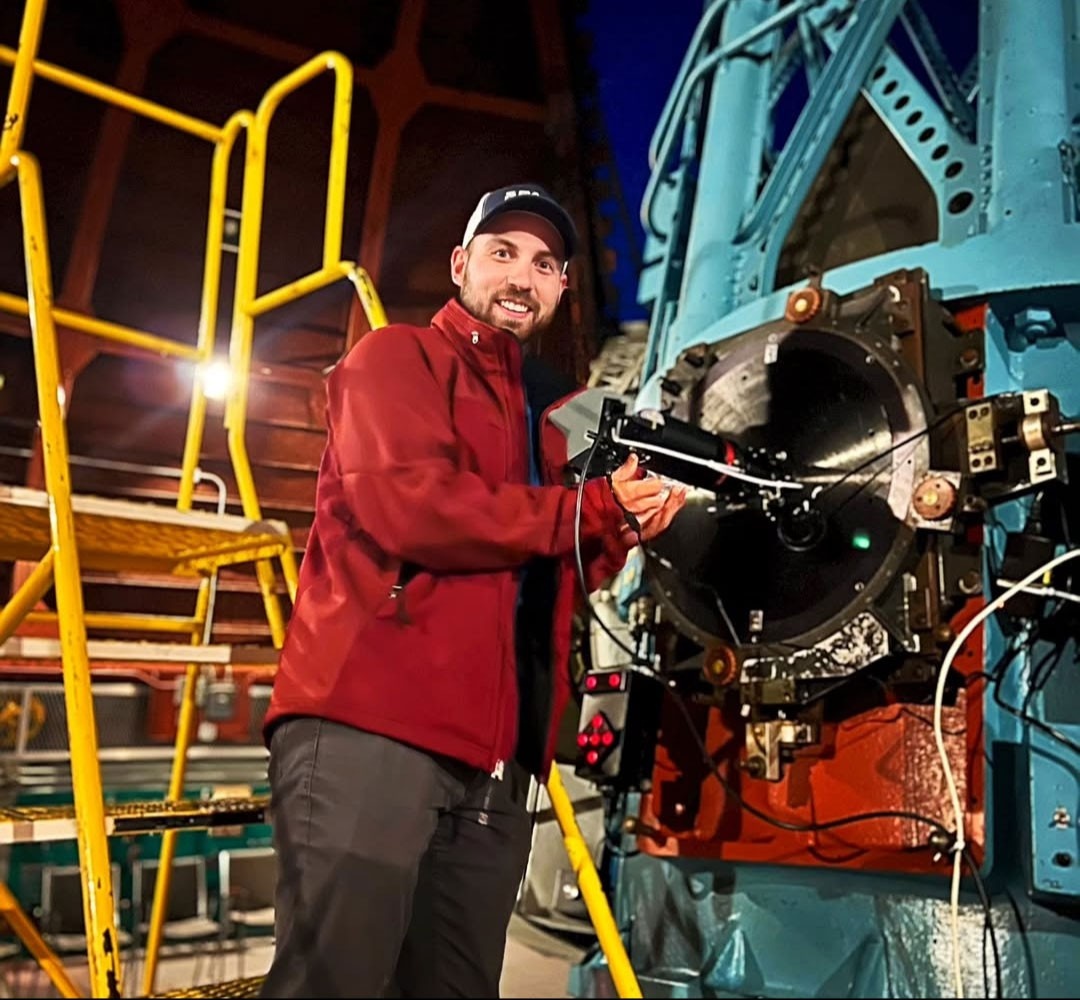
Joseph Burch

Joseph Burch is our Observatory Director for BARO and BARON and Lead Instructor for our ExoplorerTM course focused on training students for the NASA Exoplanet Watch Program. Over the past year, Joseph has upgraded the systems for both observatories to fully automated status and is now assisting in their use by SDSU TAs and students. Joseph started with BRIEF as a DoubleSTARSTM student in 2021 and his first paper was published in 2023.

Papers, Posters, and Presentations

Our mission is to introduce students to the scientific and technical

communities. Expressing student research in a product, such as a paper,

poster or presentation, for scientific contribution is our goal.


  • Richard Jamorski is setting the examples for our students to follow - 18 double star papers published so far in 2026! Read more

  • Alumni are continuing their interests in exoplanet systems with fresh publications:

    • Skylar Larsen has a new paper in AJ, 2026 September - Read more

    • Krzysztof Zielinski’s work was published in ApJL, 2026 July 1 - Read more

  • Our TESS Subgroup 3 team presented the results of their October 2025 exoplanet observations using the Mount Wilson 100” to the SAS Symposium in June. Read more

  • We are starting a pre-publication procedure with two papers submitted to the JDSO that suggest updates to known binary ephemerides -both by high school students. Read more

Latest news

Image description

Radio Astronomy

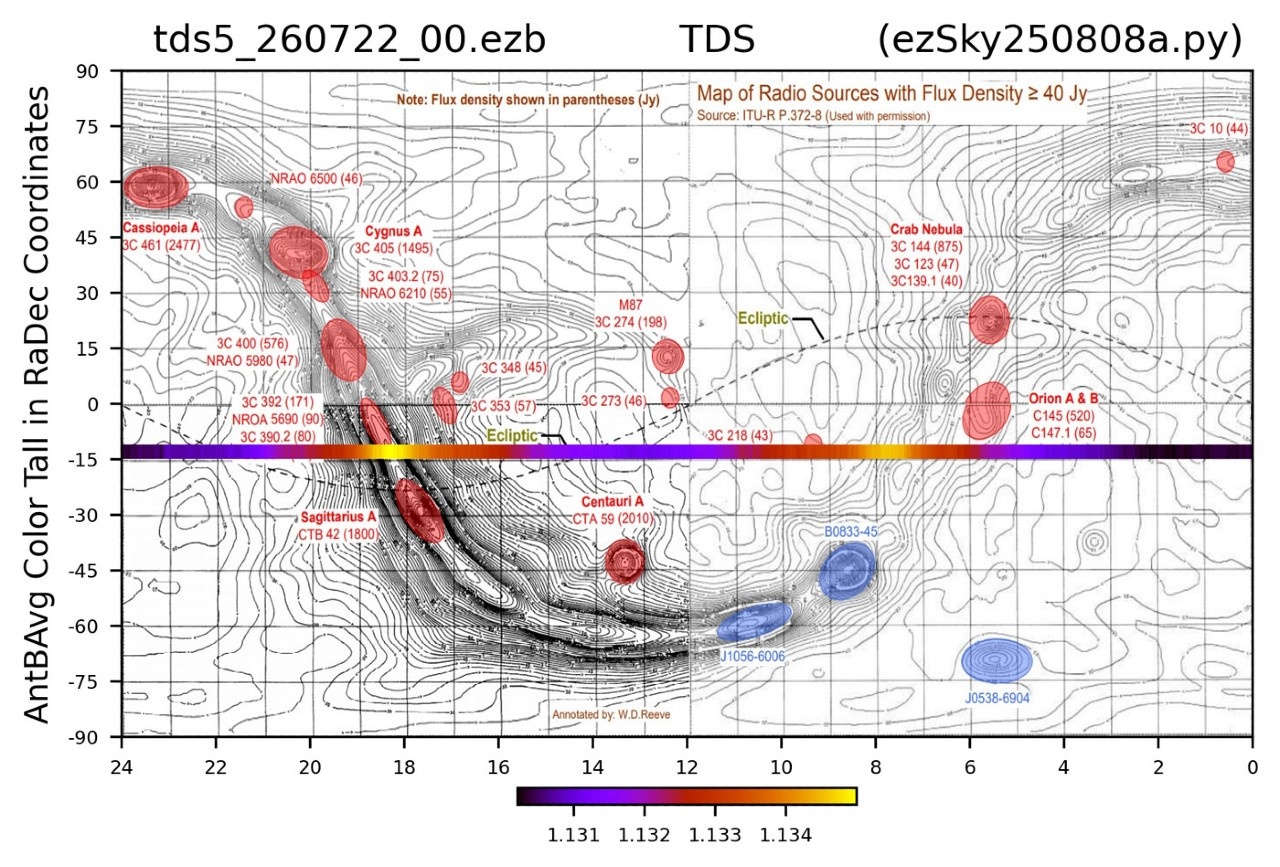
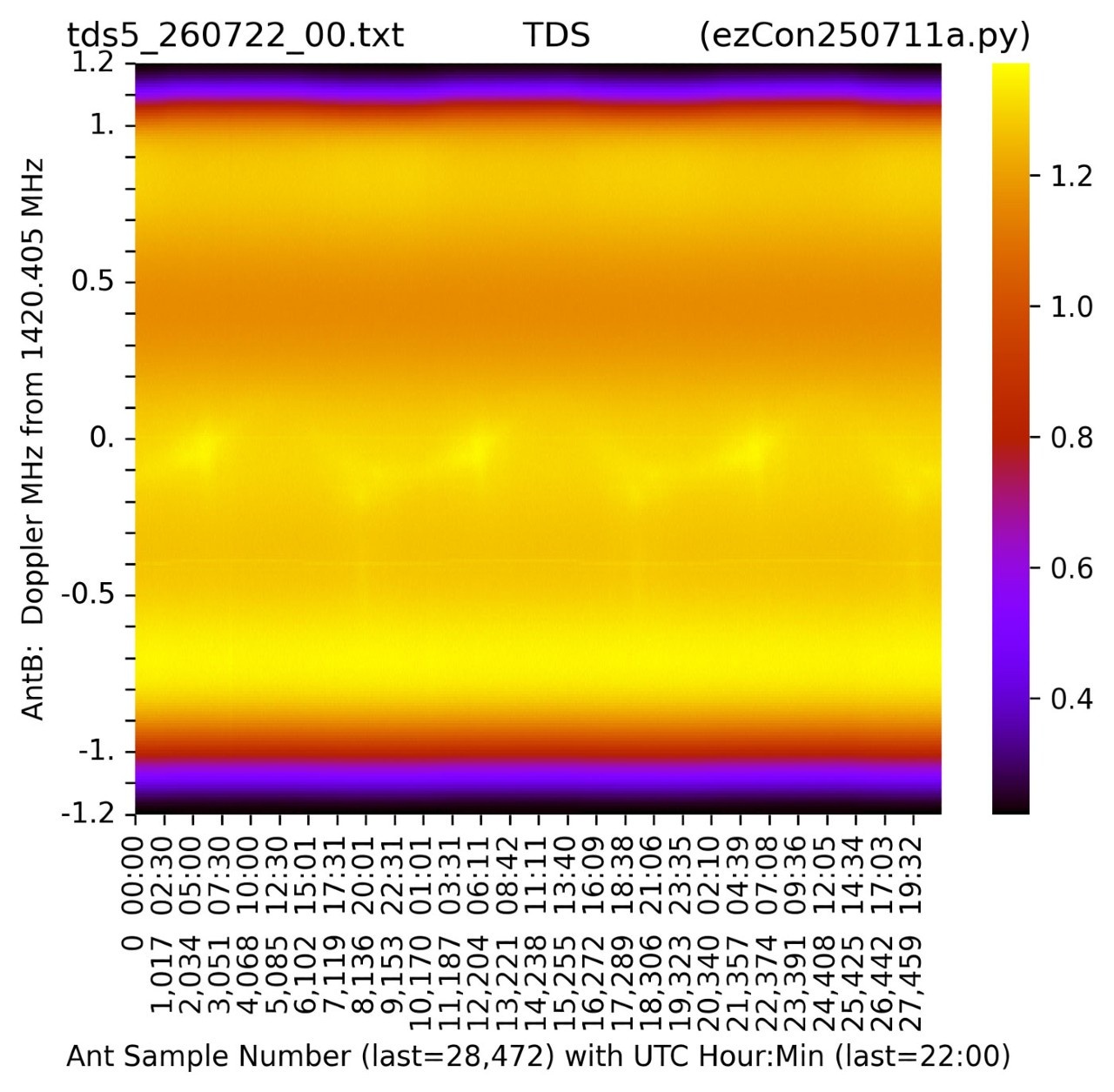
We’ve started a new program area in radio astronomy with the addition of our new radio telescope, BART, Boyce-Astro Radio Telescope located next to BARO east of San Diego.

New Radio Astronomy Course


Boyce-Astro is excited to introduce a new asynchronous online course that lets students explore the radio universe using real observations from the Boyce-Astro Radio Telescope (BART) at Tierra del Sol. Students will learn how radio telescopes detect and process signals, study the 21-centimeter hydrogen line, and use authentic data to investigate the structure and motion of neutral hydrogen in the Milky Way. The course combines recorded instruction, guided activities, quizzes, and hands-on analysis, culminating in a team-based scientific investigation and presentation. It is a distinctive opportunity for students interested in astronomy, physics, engineering, or data science to experience how radio astronomy is actually done.


Read the full course description and registration details on the Boyce-Astro website.


New BART Radio Astronomy Data Archive


As a second part of Boyce-Astro’s radio astronomy program, we are opening a public archive of observations from the Boyce-Astro Radio Telescope (BART). Visitors will be able to download real 21-centimeter hydrogen-line data, analyze it with the free ezRA software or their own tools, and explore projects such as Galactic-plane crossings, Doppler shifts, and simple Milky Way mapping. The archive is intended as an open, self-service resource for students, amateur astronomers, and anyone interested in working with real radio astronomy data.


More Information
Image description

Summer Speckling (Speckle Interferometry)

These programs create a progression from remote student observing to hands-on research using some of the most capable telescopes available to students anywhere.

Speckling Binaries


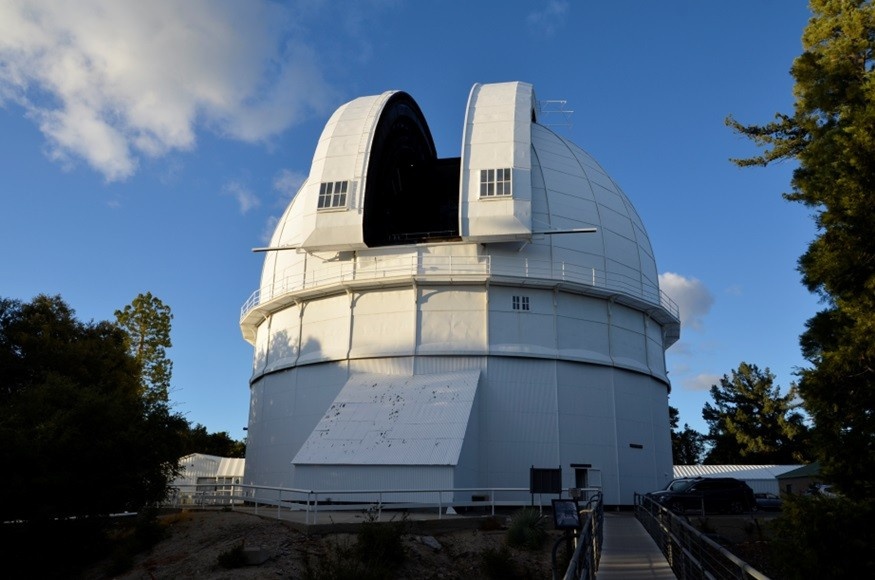
This summer, students from around the world participated online in Boyce-Astro’s Speckling Binaries program, using the BARO telescope to carry out high-resolution observations and measurements of close double stars. Six students were able to participate in the BEAR supplement at Mount Wilson, where they observed using the 60“ telescope in July and gained direct experience with professional-scale observing.


TESS SG3 Research


In August, the BEAR students joined our exoplanet research team for follow-on work with the 100-inch Hooker telescope, helping assess its ability to perform the high-resolution imaging required for TESS Subgroup 3 validation and other exoplanet programs.

Bocye Astro by BRIEF

Student Education
& Research In Astronomy

You are receiving this newsletter because you have previously contacted or participated in a Boyce-Astro/BRIEF program. If you prefer not to receive future newsletters, you may unsubscribe at any time by clicking on the Unsubscribe link below.

Copyright © 2026 BRIEF, Boyce Astro.

BRIEF, 3540 Carleton St, San Diego, CA 92106, USA

If you would like to unsubscribe, please click here.
Powered by Sender.net