| | Table of Contents/Table des matieres Letter from the CCN Board/Un mot du Conseil d'administration A Study Tour to Understand Cohousing/Une Mission pour mieux comprendre le Cohabitat New CCN Board Member! When Cohousing Messaging Conflicts with Financing Reality News and Updates |
|
Hello! A lot has happened since we last sent out a newsletter!
First: we held our AGM in April and you can find the minutes here. At the meeting, we were also very pleased to elect a new board member: Liane Kennedy from Killick Ecovillage in Newfoundland. Liane also works with Reclaim Community Collaborative Design Organization and you will find a short bio of her below.
Second, at the end of April, CCN welcomed a delegation of cohousing project leaders from Quebec to learn about cohousing and build connections with existing cohousing communities. You can find more detail about their visit below.
Finally, CCN Board Member Lysa Dixon has contributed an important piece about how the ways that cohousing groups describe their communities (on public websites, in real estate listings, or when presenting projects to lenders) can make mortgage financing, when required, more difficult.
Let us know if there’s anything you want us to talk about in an upcoming newsletter!
Best wishes,
The CCN Board |
|
A Study Tour to Better Understand Cohousing |
|
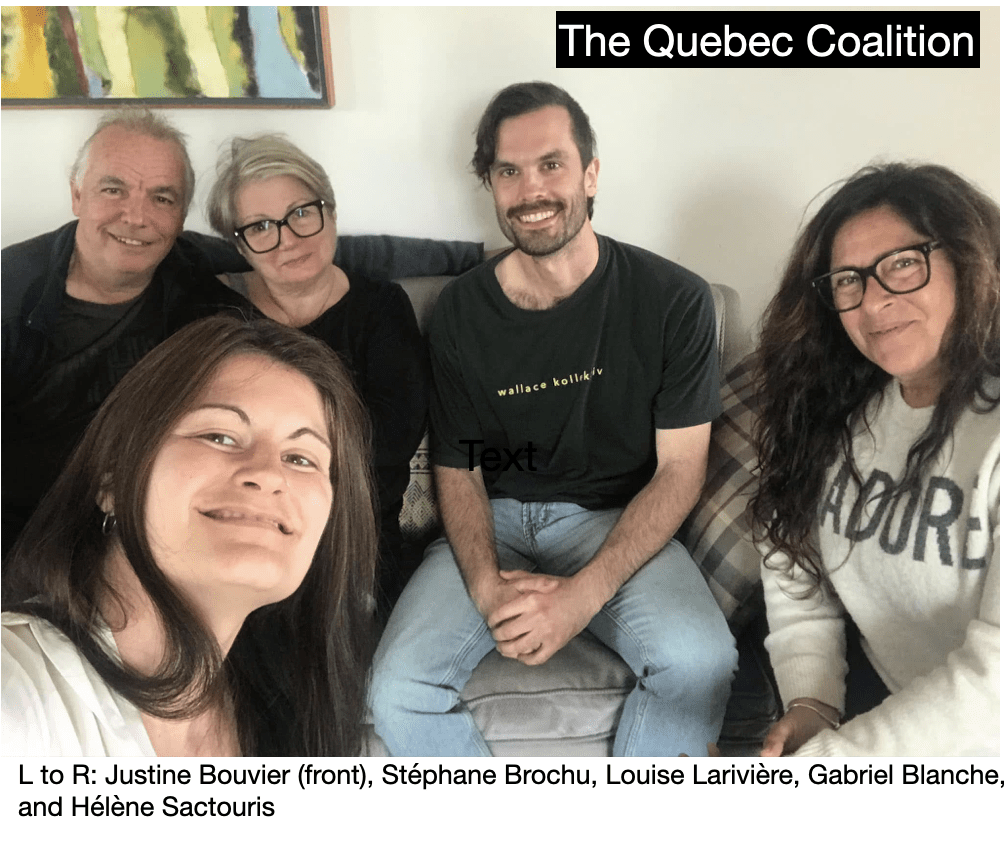
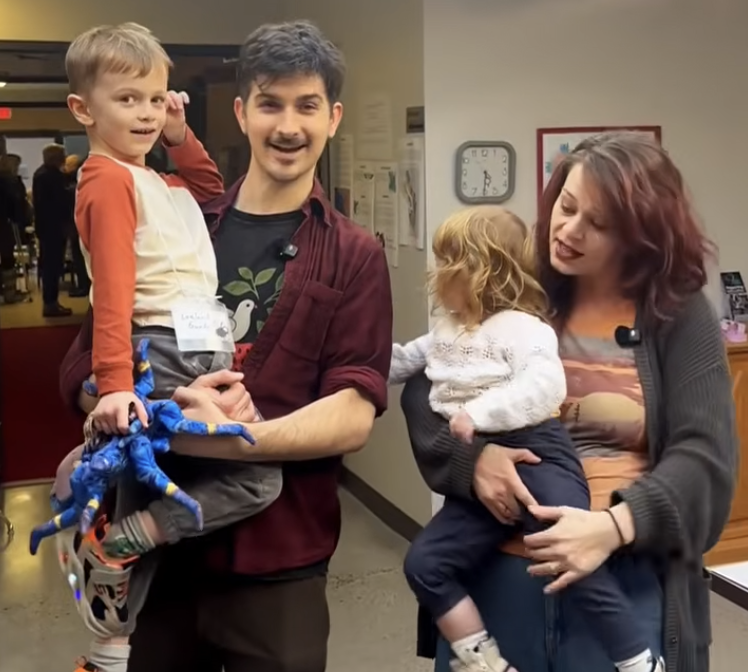
From Monday, April 27 to Thursday, April 29, 2026, a delegation from Quebec traveled to Vancouver to meet with communities and build connections with members of the Canadian Cohousing Network (CCN) and the those living in different cohousing communities.
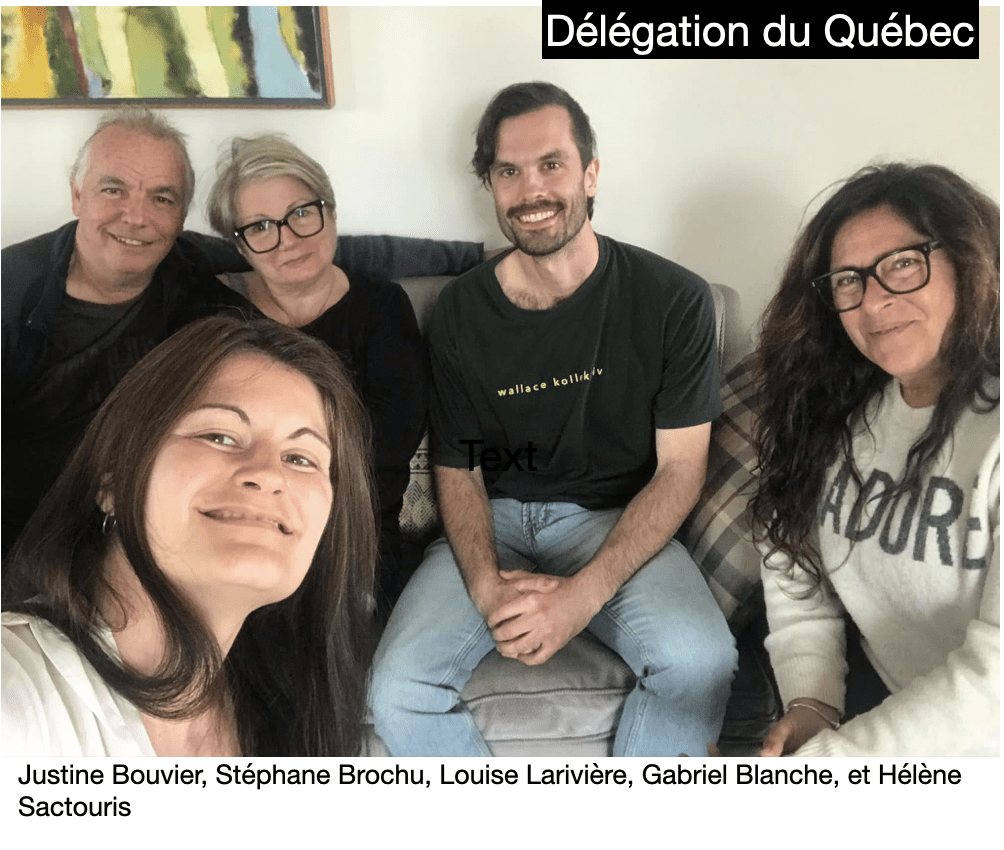
Four Cohousing Project Leaders took part in the Study Tour: Hélène Sactouris from Nidazo, Stéphane Brochu from Cohabitat Gaspé, Gabriel Blanchet from La Friche Solidaire, and Louise Larivière from Village VITAL, accompanied by Justine Bouvier from Village Urbain.
They were warmly welcomed by CCN members. Throughout their stay, they also benefited from the hospitality and guidance of residents and members of the cohousing communities they visited.
The delegation would like to express its deepest gratitude to everyone who helped organize and facilitate these visits. Cohousing Communities that welcomed the Québec Delegation were: Little Mountain Village (Lysa Dixon), Cranberry Commons (Ronaye Matthew), Windsong (Alan Carpenter), Groundswell Cohousing (Susan Clark), Vancouver Cohousing (Frannie Cruise), Quayside Village (Kathy McGrenara), and Driftwood Village. Louise Larivière, who is also member of the Board at CCN, also visited Vancouver Island where she was welcomed by Janet Clark at West Wind Harbour Cohousing; she llater visited Harbourside Cohousing as well.
Discussions focused on governance, participation, mutual support, conflict management, and decision-making. Among the key points highlighted were the importance of thinking about design before construction begins and fostering opportunities for social interaction, such as shared meals.
Delegation Members were also able to observe the different architectural approaches adopted by the Cohousing communities they visited, as well as their day-to-day organization. One of the conclusions was that Cohousing is not based solely on buildings; it is also a matter of trust, listening, communication, and the ability to embrace differences.
Another lesson learned during their stay was that not everyone participates in the same way, that Cohousing lifestyle is not perfect, and that tensions do exist. Recognizing these realities is essential for long-term sustainability; it also encourages the development of tools to help structure activities and governance.
Tolerance, open-mindedness, and a commitment to maintaining harmonious community living emerged as core values.
The visitors from Quebec were impressed by the use of color cards during discussions and decision-making processes. They consider this a good practice that they intend to introduce to their own members, along with having a facilitator present during meetings. The role and importance of committees were also highlighted.
Finally, most agreed that people do not join a Cohousing community primarily to make friends, but rather to share services and facilities. The pooling of resources and the desire to share welcoming communal spaces constitute the foundation of living together in a Cohousing community. Remaining vigilant against participation fatigue was also recommended, while putting measures in place to ensure that new members are well integrated.
The learning experience was enlightening, and the meeting of people were special moments that everyone will remember for a long time.
On the evening of Wednesday, April 29, a Forum was held. Each member of the Quebec delegation presented their project. The dynamic was appreciated by participants on both sides; it helped understand the differences in structures and ways of operating between the provinces. Discussions also focused on how to strengthen interprovincial relationships, as well as on ways to communicate and promote cohousing.
A “wine and cheese” event was organized by the residents of Little Mountain, where members from eleven Cohousing communities across four provinces were able to continue the conversation.
The Tour has sparked a desire to keep exchanging ideas, and who knows, a Canadian Cohousing Congress could even take place in the not-too-distant future. Some would like the creation of a CCN Quebec Chapter to help current Cohousing promoters educate leaders and the general population on the merits of Cohousing and how it can be implemented in the province.
Source: Louise Larivière |
|
New CCN Board Member: Liane Kennedy |
|
CCN’s newest board member is Liane Kennedy! Liane comes to cohousing from Newfoundland where she is a resident member of Killick EcoVillage, which is the first co-operative co-housing housing community in Newfoundland and Labrador since 1992. Killick owns 57 acres of farmland and has plans for a 51-home community that they hope will begin construction this summer. Killick Ecovillage gets its name from the “killick,” which is an anchor made out of three pieces of wood tied together around a stone. They chose the name because it symbolizes how they view themselves as anchored in community. For Liane that means being heavily involved in the development of the Killick Community: she is Lead on the Coordination Circle; sits as an observer on Finance & Legal; serves as the facilitator on both Community Life and Start-Up & Operations; leads the Library sub-circle; and acts as the Emergency & Life Safety Coordinator.
Killick EcoVillage has been legally formed as a co-op and is based on a particular financial model of mutual home ownership (MHOS) from the UK pioneered by LILAC, for “Low Impact Living Affordable Community.”)
Liane is originally from Cassiar, a mining town in northern B.C. that was closed. In her childhood, she lived in several small mining towns that also no longer exist before ending up in Ontario (and later Newfoundland). Being “from” a place that is no longer a place has given Liane the chance to think deeply about issues of origins and community.
Liane has spent 35+ years in client relationship management across a variety of industries, most recently in ski resort hotel management, and is now bringing those skills to Reclaim Community Collaborative Design Organization. Reclaim is working to create a community-led housing ecosystem support network where community-led housing groups can share knowledge and resources, collaborate, and forge partnerships.
Reclaim’s goal is to empower community-led developers through their Housing Toolkit. Their aim is to give Community Developers a framework so that they don't need to start from scratch. Reclaim also provides community-led housing consulting services.
Liane wanted to get involved with CCN because she lives in Newfoundland and Labrador and has observed, correctly, that the CCN board is very BC-focused. While Liane is very excited about the model and style of cohousing that they are building at Killick and hopes that this kind of model can work across Canada, she believes that this form of cohousing (co-op with a financial model of MHOS) provides a better housing model in this time of housing crisis than greenfield development. |
|
When Cohousing Messaging Conflicts with Financing Reality |
|
Cohousing is gaining popularity across Canada. People value community, shared spaces, and social connection. Yet, as the model grows, an unintended obstacle is emerging: the way some cohousing groups describe their communities—on public websites, in real estate listings, or when presenting projects to lenders—can make mortgage financing, when required, more difficult.
Many cohousing communities unintentionally blur the distinction between cohousing as a social model and the legal structure used to implement it. Cohousing is fundamentally a community and lifestyle model centered on neighbour interaction, shared spaces, and collaborative governance. The underlying ownership structure—whether condominium/strata, cooperative, rental, fractional interest, co-ownership, or another arrangement—is governed by provincial legislation and comes with its own legal, financial, and regulatory requirements.
When these two concepts are conflated, it can create confusion for lenders, insurers, municipalities, and prospective buyers about the rights, obligations, protections, and financing rules that actually apply to the project.
Cohousing Is Not a Legal Form of Ownership A key source of confusion is that cohousing is not a legal form of ownership. In Canada, most cohousing communities are structured using conventional ownership models—typically condominiums (strata) and occasionally housing co-operatives. These are legal frameworks defined by provincial legislation that determine how property is owned, transferred, and governed. Cohousing, by contrast, is a community and lifestyle model. It describes how residents choose to organize shared spaces and social activities, but it does not determine how the property itself is legally owned or governed. For lenders, the legal structure is what matters. When a property is a condominium or strata development, ownership rights and decision-making processes are defined and regulated by provincial legislation. Units can be freely bought and sold on the open market and governance operates within a legal framework that communities cannot override. This predictability is what makes strata/condo properties relatively straightforward to finance across Canada. Problems arise when the way cohousing communities describe themselves suggests something different.
Comparing Cohousing to Co-ops or Condos A main source of confusion occurs when cohousing is described as something that compares to a co-op or a condominium. This comparison is usually intended to explain the collaborative culture of cohousing. However, it can unintentionally blur an important distinction. Housing co-operatives and condominiums are legal ownership structures. Cohousing is not. When cohousing is described as being “similar to a co-op” or “somewhere between a co-op and a condo,” lenders and appraisers may question whether the property operates the way it is titled. Because co-ops are financed one way—and strata/condos are financed in a different way—this comparison can raise unnecessary concerns. A clearer way to describe cohousing is as a community-oriented lifestyle that exists within an established legal ownership structure, most commonly a condominium or strata development.
Messaging that suggests the community operates outside of their legal structure Communities will also sometimes accidentally make claims that cannot be legally enforced within a condo or strata structure. For example, implying that potential buyers must be vetted by the community though filling out an application form, or the requirement to attend a community meeting prior to making an offer, raises questions about whether the community may be operating outside the boundaries of provincial condominium legislation. Implying that the community controls resales through coordinating sales, playing a role in how the units are marketed (including features sheets that can appear like the cohousing community is managing the sale—i.e. including “contact [email protected] to find out more” on the feature sheet) can signal possible restrictions on resale or unclear authority over property rights. For lenders, this increases perceived risk, and can also raise questions about whether the community may be operating outside the boundaries of provincial condominium legislation.
Implying or requiring participation. Cohousing communities understandably emphasize participation: shared meals, committees, work days, and collaborative governance are central to the culture. However, describing or implying participation as mandatory can create legal and financing concerns in strata or condominium developments. From a lender’s perspective, mandatory participation raises several questions: What happens if an owner refuses to participate? Are fines or penalties imposed? Could disputes escalate into legal conflicts affecting the property? Even if these risks never materialize, the appearance of non-standard governance structures can complicate underwriting and, in fact, most lenders will just walk away rather than dealing with this uncertainty. Encouraging participation as part of the culture of the community is very different from presenting it as a formal or implied requirement.
Seeking affordable housing options while operating as Market housing Some cohousing projects also present themselves as affordable housing initiatives while simultaneously operating as market ownership housing. There are cohousing communities that successfully include affordable housing components. In these cases, affordability programs are clearly defined, with specific mechanisms for eligibility, administration, and long-term affordability. Confusion arises when communities present themselves as market ownership housing while seeking affordable housing subsidies or special treatment without mechanisms to preserve affordability.
Why Lenders Pay Attention to These Details Mortgage lending is fundamentally about risk management. When lenders evaluate a property, they consider: the legal structure of ownership, the ability to resell the property, the predictability of governance, and potential barriers to liquidation. Anything that suggests restricted resale, unclear authority, or unconventional governance increases perceived risk. Even small ambiguities can matter. A lender does not need proof that a problem exists—the possibility is often enough.
Cohousing offers something many Canadians are increasingly seeking: connection, shared resources, and a stronger sense of community. But for the model to grow, it must remain compatible with the systems that finance housing. The good news is that cohousing does not need to change its values to achieve this. We simply need to ensure that how communities describe themselves publicly aligns with how they are legally structured. When messaging is clear, lenders can focus on what actually matters—the stability of the legal framework—allowing cohousing to expand without unnecessary financial barriers.
By Lysa Dixon |
|
News and Updates from CCN Communities! |
|
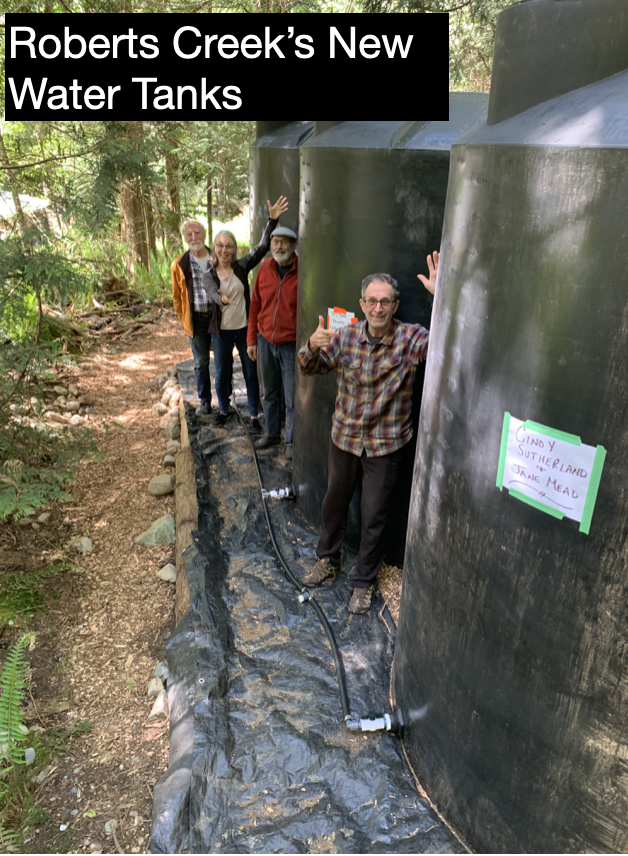
Roberts Creek Cohousing is nestled in a rain forest on the shores of the Salish Sea, on the Sunshine Coast of British Columbia. There, large cedar trees are common, but they have been suffering recently due to a lack of water. Summers in BC have become longer and hotter while winters have been warmer; thus less snowpack in the mountains. Over the last 10 years, BC has had regular severe water restrictions in August, September, and sometimes into October.
At Roberts Creek (with help from grants from the regional government), they decided to help capture water by installing four 2000 gallon tanks. Last year, they installed an additional three tanks.
Now, while much of BC is debating water restrictions, Roberts Creek is happy to report that their tanks are full. That's about 14,000 gallons of water! |
|
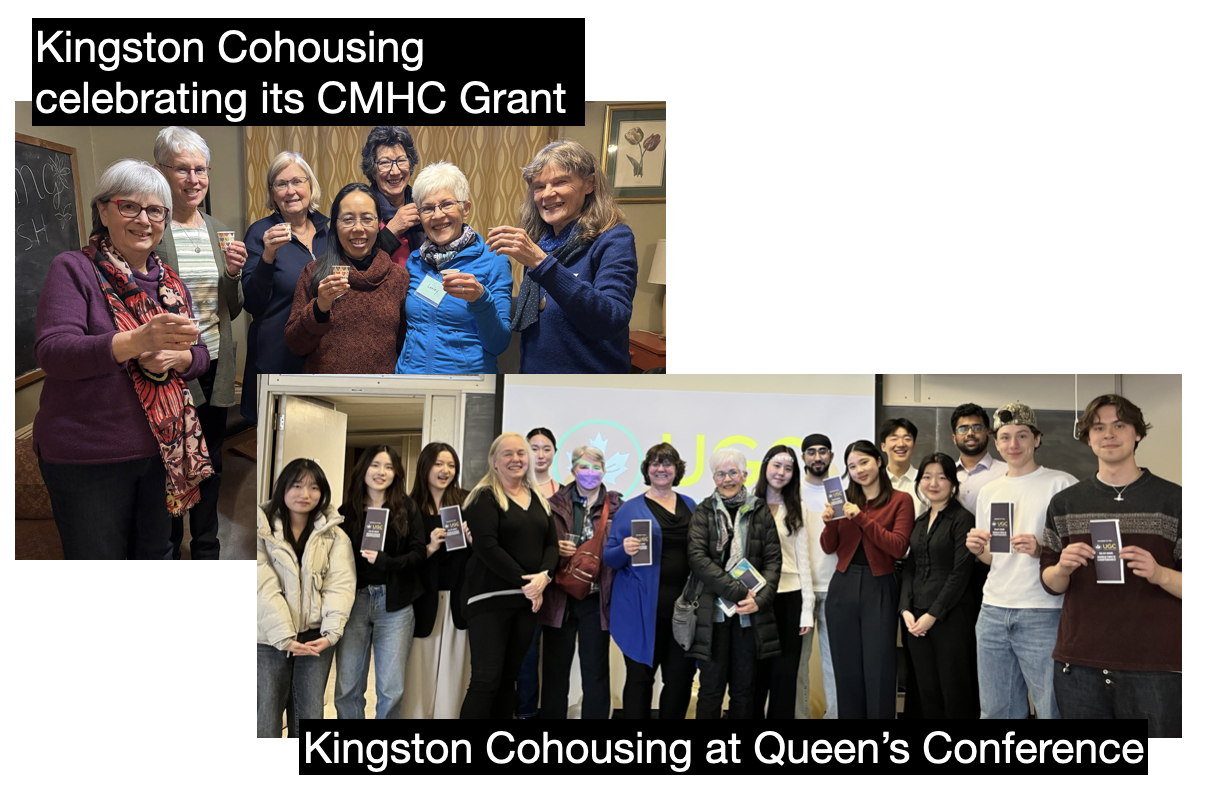
Kingston Cohousing has made great strides this year! In March, they learned that their grant application to the Community Housing Transformation Centre was approved. This grant will allow them to strengthen their internal capacity as an organization.
Later in March, their Research Partner at Queen's University, Dr. Kim Bergeron, presented a talk entitled Where We Live Shapes How We Age, as part of an undergraduate conference on healthy aging. Dr. Bergeron's talk showcased cohousing and the Kingston Cohousing project in particular.
Finally, in April they learned that the City of Kingston will support Kingston Cohousing with a $50,000 grant to fund the feasibility study required for them to move forward! They are very grateful for the innovation they have demonstrated by supporting the project and they can't wait to get started with our keen project management team, 2B Developments! |
|
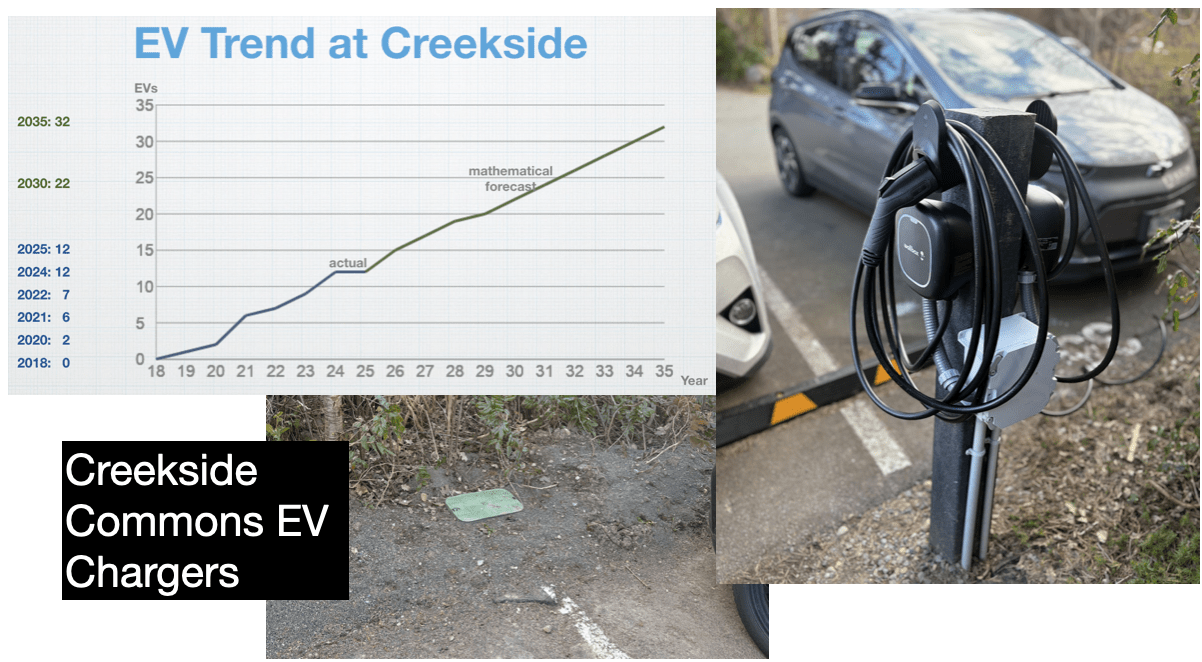
Creekside Commons has been working on installing more EV parking. In 2018, they installed 2 shared chargers when there were no EVs in the community. But, by 2025, they saw a lot of congestion, with twelve homes sharing those two chargers. Thus, they had an ‘EV Ready Plan’ created by an engineer, with 75% of the cost funded from rebates.
Their proposal for the EV project included two parts: 1) install electrical infrastructure for 36 parking spots, one for each home and; 2) build new EV chargers for those who want to opt in now.
Building the infrastructure for future EV parking brings electricity and data lines close to 36 parking spots. If there is no charger installed now, an in-ground box has been put in place. Installing the infrastructure all at once means significantly lower cost and the ability to share power. It also avoids electrical upgrades or trenching for future charger installations. Half of the cost was paid for by a community projects fund, the other half from currently available rebates at BC Hydro.
The opportunity was so good that sixteen homes opted to get an assigned parking spot with a charger, even though they don't even all have EV cars yet. Around half of the cost, about $1,100, was contributed by the home owner, the rest came from currently available rebates at BC Hydro. If they had installed the chargers one-by-one, the cost would have been closer to $4,000-7,500 per charger.
If another cohousing community is interested to learn more, please do not hesitate to contact them. |
|
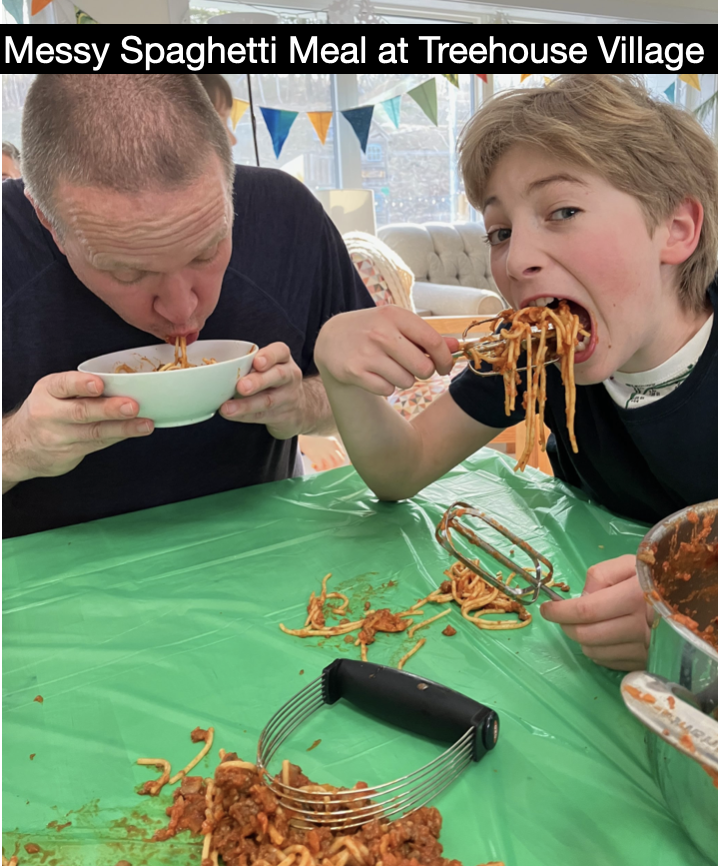
Like most cohousing communities, Treehouse Village is diverse and there are a lot of different food restrictions and preferences among their members. While their Meal Leads consider different dietary restrictions when choosing what to make, they've also been adding different 'styles' of eating to their meal repertoire. On three nights in succession recently, they hosted three very different meals: A potluck focused on a slow, gentle, still atmosphere; A Messy Spaghetti meal, with teams and prizes; A Simple Souper Sunday meal with soup and bread–easy to prepare and quick to eat.
Pictures of the potluck and the soup meal weren’t that exciting, but the Messy Spaghetti meal certainly made up for that.
Prizes were given for the tables with the most creative name, most creative utensils, messiest faces, cleanest table, and zero food waste.
Lots of fun was had by both adults and children! They're sure they’ll do Messy Spaghetti dinners and similar meals again. |
|
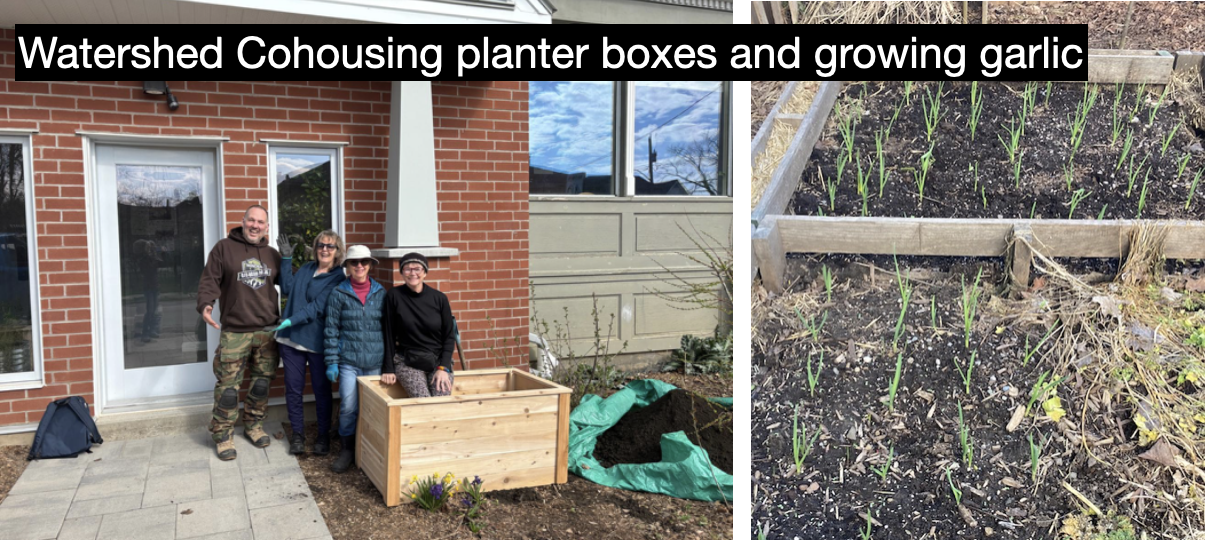
Winter's cold, icy, and grey winter found Watershed Cohousing outdoors shovelling frequently. In the meantime, they also gathered indoors for Games Nights, Movie Nights, Potlucks, and Healing Music sessions. Once Spring arrived, they were excited to see that the garlic had begun to poke its way up through the soil as they prepared to expand their gardens with four more garden boxes! |
|
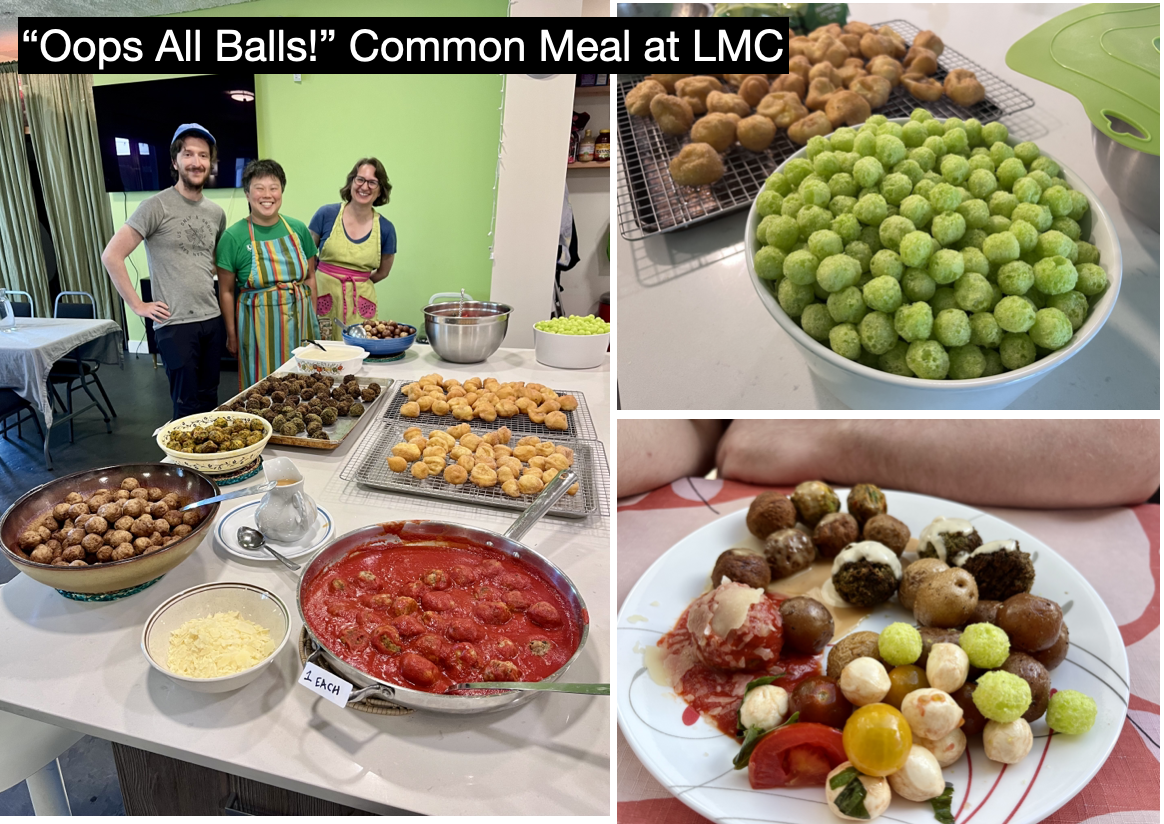
Inspired by the popular "Oops All Berries!" Cap'n Crunch Cereal flavour and the multitude of memes that it inspired, some of the cooks at Little Mountain Cohousing decided to have a "Oops All Balls!" common meal, where everything was shaped like a ball.
Highlights included meatballs (Swedish and Italian), small whole potatoes, felafel, caprese salad with bocconcini and grape tomatoes, and donut holes.
It was both tasty and amusing! |
|
Bonjour, Plusieurs événements ont eu lieu depuis la publication de notre dernier bulletin. L’Assemblée générale des membres (AGM) avait lieu en avril dernier; vous pouvez trouver le Procès-verbal en cliquant sur le lien. Lors de cette assemblée, de nouveaux membres se sont joints au conseil d’administration, dont Liane Kennedy. Liane est membre du Killick Ecovillage de Terre-Neuve et travaille pour le Reclaim Community Collaborative Design Organization; pour consulter ses notes biographiques. Du 27 au 30 avril, le CCN accueillait une délégation venant du Québec. Cette mission à laquelle participaient des responsables de Cohabitats en milieu rural, avait pour but de construire des liens avec d’autres membres du CCN et de visiter des projets construits à Vancouver et les environs. Pour en savoir davantage. Finalement, Lysa Dixon, membre du c.a. du CCN rédigeait un article sur la façon de décrire ce qu’est un Cohousing/Cohabitat, que ce soit sur un site Web, ou lors de présentations publics ou encore, à des bailleurs de fonds. Ce document se voulait une mise en garde, car une description erronée de ce qu’est le Cohousing/Cohabitat peut nuire au financement même d’un projet. Nous la remercions de cette initiative. Comme toujours, n’hésitez pas à nous contacter; il nous fera plaisir de publier des sujets qui vous préoccupent ! Cordialement, Le conseil d’administration du CCN |
|
Une Mission pour mieux comprendre le Cohabitat |
|
Du lundi 27 au jeudi 29 avril, 2026, une petite délégation du Québec, passionnée du Cohabitat, se rendait à Vancouver pour aller à la rencontre de communautés et développer des liens avec les membres du Canadian Cohousing Network (CCN) et les personnes rencontrées lors des visites.
Quatre promoteurs de Cohabitats faisaient partie de « Mission Vancouver » : Hélène Sactouris du Cohabitat Nidazo, Stéphane Brochu de Cohabitat Gaspé, Gabriel Blanchet de la Friche Solidaire et Louise Larivière de Village VITAL, accompagnés de Justine Bouvier de Village Urbain. Ils et elles ont été reçues par des membres du CNN qui les accueillaient bras ouverts; tout au long de leur séjour ils ont aussi bénéficier de l’accueil et l’encadrement d’autres personnes faisant partie des Cohabitats visités. La délégation souhaite témoigner sa plus grande reconnaissance envers ceux et celles qui organisaient leurs visites.
Les Cohabitats qui accueillaient la délégation étaient : Little Mountain Village (Lysa Dixon) Cranberry Commons (Ronaye Matthew) Windsong (Alan Carpenter), Groundswell Cohousing (Susan Clark) Vancouver Cohousing (Frannie Cruise), Quayside Village (Kathy McGrenara) et Driftwood Village. Louise Larivière, également membre du c.a. du CCN se rendait par la suite à WestWing Harbour Cohousing où elle était accueillie par Janet Clark; elle visitait également Harbourside Cohousing Des discussions ont porté sur la gouvernance, le participation, l’entraide, la gestion de conflits et de prise de décisions. Parmi les points saillants relevés : l’importance de réfléchir au design en amont de la construction, celui aussi de favoriser des moments de socialisation tels les repas en commun.
Les membres de la délégation ont aussi pu observer les différents types d’architectures adoptés par les Cohabitats visités, ainsi que l’organisation du quotidien. Un des constats a été que le cohabitat ne repose pas seulement sur des bâtiments, que c’est aussi une affaire de confiance, d’écoute, de communication et de capacité à accueillir les différences. Un autre enseignement acquis lors de leur séjour est le fait que toutes les personnes ne participent pas de la même manière, que le milieu de vie ‘cohabitat’ n’est pas parfait et que les tensions existent. Reconnaitre ces faits, c’est durer dans le temps; on se dotera aussi d’outils pour structurer les activités, aussi la gouvernance. Tolérance, ouverture d’esprit et volonté de maintenir le vivre ensemble sont ressortis comme des valeurs sûres.
Les visiteurs du Québec ont été impressionnés par l’utilisation des cartes de couleur lors de discussions et de prises de décisions. C’est une bonne pratique qu’ils entendent transmettre à leurs membres, ainsi que celle d’avoir un facilitateur lors des assemblées. Le rôle et l’importance des comités a également été soulevé.
Enfin, la majorité s’entend sur le fait qu’on ne se joint pas à un Cohabitat tant pour se faire des amis que pour partager des ressources : la mutualisation des services et le désir de partage de lieux conviviaux étant la base du vivre ensemble dans un Cohabitat. Enfin, il faudra demeurer vigilant pour éviter un essoufflement de participation, tout en portant attention aux moyens que l’on se donne pour que les nouveaux membres soient bien intégrés.
L’apprentissage fut riche et les rencontres, des moments privilégiés dont tous et toutes se souviendront longtemps !
Le mercredi soir, le 29 avril, un FORUM était organisé. Chaque membre de la délégation du Québec présentait son projet. Cette interaction fut appréciée de part et d’autre; cela a permis de réaliser les différences de structures et de fonctionnement entre les provinces. On a abordé comment consolider les relations interprovinciales, ainsi que les façon de communiquer et promouvoir le cohabitat.
Une activité sociale suivait, le « Wine and Cheese » organisée par les cohabitants de Little Mountain et où les membres de onze Cohabitats venant de quatre provinces ont pu continuer la conversation.
Cette mission d’observation a suscité le désir de continuer à échanger des idées, et qui sait, un Congrès des Cohabitats Canadiens pourrait même avoir lieu dans un avenir rapproché. Certains souhaiteraient qu’une section québécoise du CCN voie le jour afin d’aider les promoteurs actuels du Cohabitat à sensibiliser les décideurs et la population en général aux avantages de ce mode d’habitation et à la façon dont il peut être mis en œuvre dans la province.
Source: Louise Larivière |
|
|
| |
| |
|