I’m beginning my journey with Boiled Tea!
There are many different ways to brew tea. Boiling tea is one of the oldest brewing methods.
Before tea was a beverage, it was medicine.
The origin story of tea, 5000 years ago, is defined by the legend of Emperor Shen Nong (the Divine Farmer) who foraged for wild plants and had a transparent body which could see the effects of different plants/herbs and determine which ones were poisonous or healing. One day Shen Nong was boiling water and a few leaves from a wild tree fell into the pot. When he drank this brew, he found it restorative and it helped him fight off toxins. Thus, tea and its medicinal properties were discovered, through a boiling pot of water and a few tea leaves.
Tea is one of the oldest and most foundational plants used in Traditional Chinese Medicine (TCM), consumed for its healing properties such as stimulating vital energy (Qi), clearing excess heat, detoxifying and promoting digestion.
Traditionally, TCM herbs were boiled to maximize the extraction of active ingredients. Nowadays, you can get TCM powders, pills and capsules for convenience but boiling herbs is still considered the most powerful and effective.
Similarly, boiling tea draws out the deepest essence, flavours, aromas and energy out of the tea leaves - far more than what can be experienced with steeping tea in a teapot. Think of it like making a stock/broth - the longer you boil the bones/veggies, the more is extracted and the more depth of flavour you get.
Boiling herbs was how they were first consumed as medicine and boiling tea leaves was how it was first discovered. So there is something really special about learning how to boil tea.
My first experience of boiled tea was in May 2023 on my first trip to Taiwan, and every time I’ve been back to Taiwan (three times now), I’ve had a boiled tea experience at some point along the trip which have been some of my most potent tea sessions.
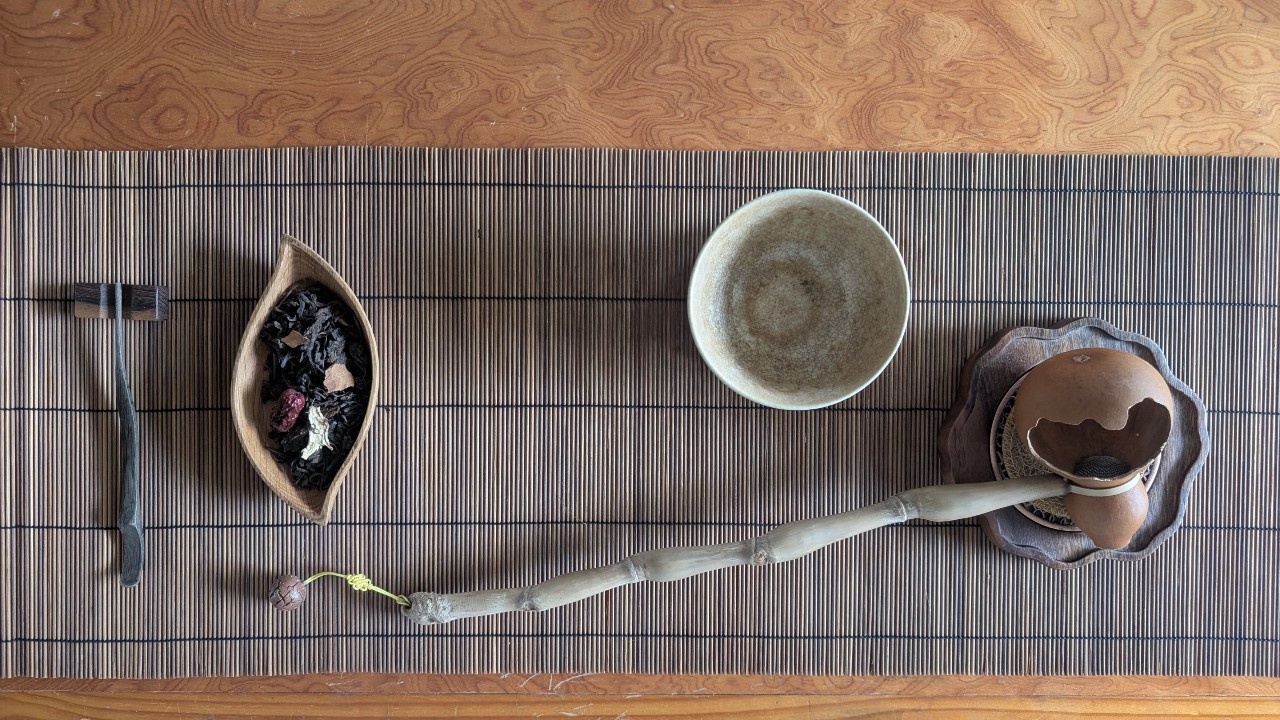
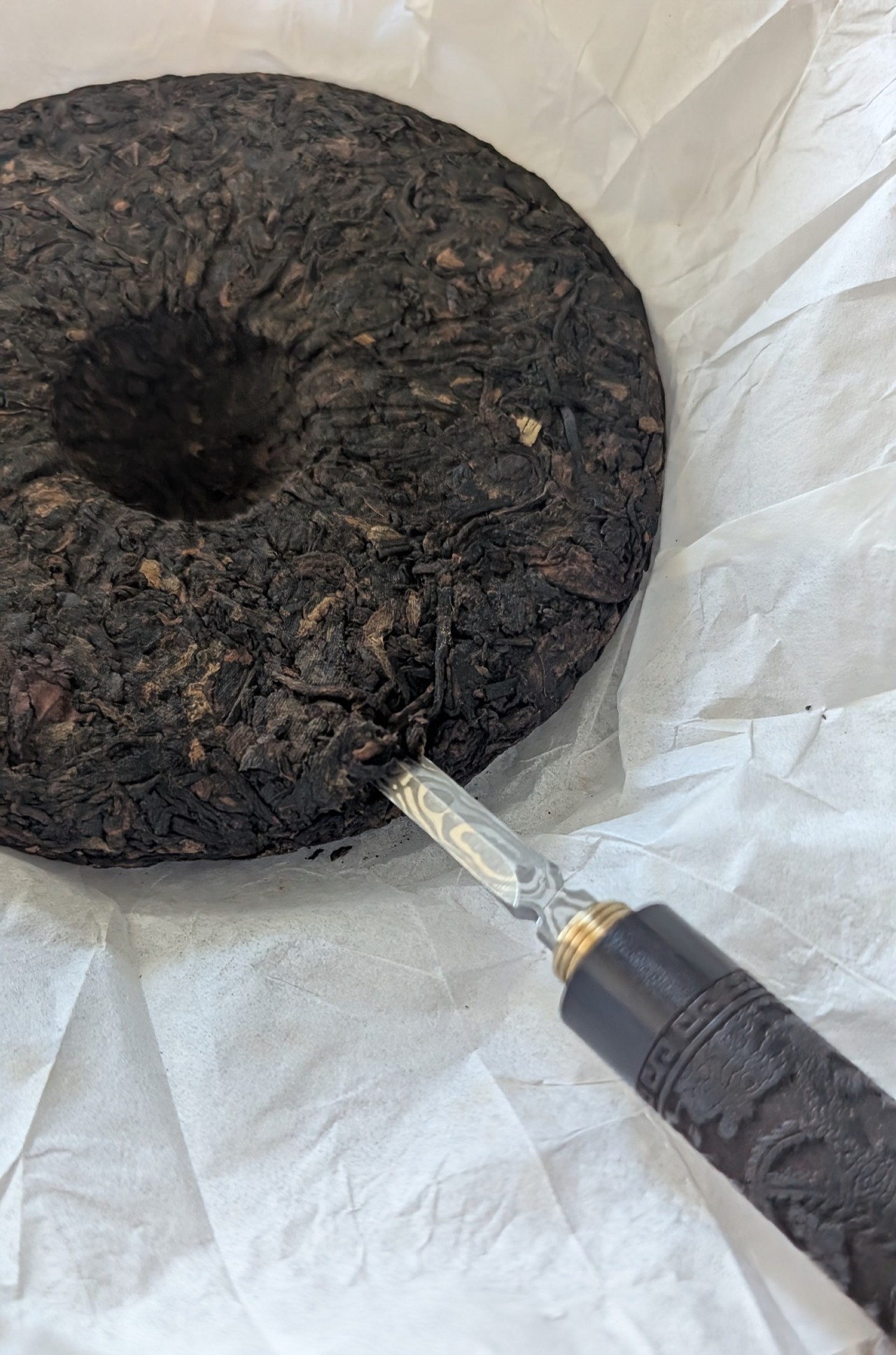
As I’m learning about boiling tea, concurrently, I’m learning about blending tea. My experience of drinking boiled tea in the past has been with tea blends which have been magical brews. The best teas for boiling and blending are aged sheng puerh, shou puerh and black teas. For clarification - black tea is ‘hei cha’ defined by its post-fermentation process such as liu bao (Guangxi black tea) and fu cha (Hunan brick black tea). In the West, what is known as black tea (English Breakfast, Earl Grey) is actually red tea aka ‘hong cha’ in the East defined by processing that creates fully oxidised tea.
A Five Element blend of teas with each of the five teas representing one of the Chinese five elements - wood, earth, water, fire and metal is the ultimate goal, but as I’m just starting to learn, I have been experimenting with blending just 2-3 teas - usually a young shou puerh with an aged shou puerh or aged sheng puerh.
When you boil a blend of teas - they fuse together, absorbing the aroma and flavour of one another, and they also fuse together energetically. This means that you have to be careful with blending tea and know each tea very well in order to get an energetic frequency, flavour and mouthfeel that creates a balanced liquor that not only tastes good, but feels good.
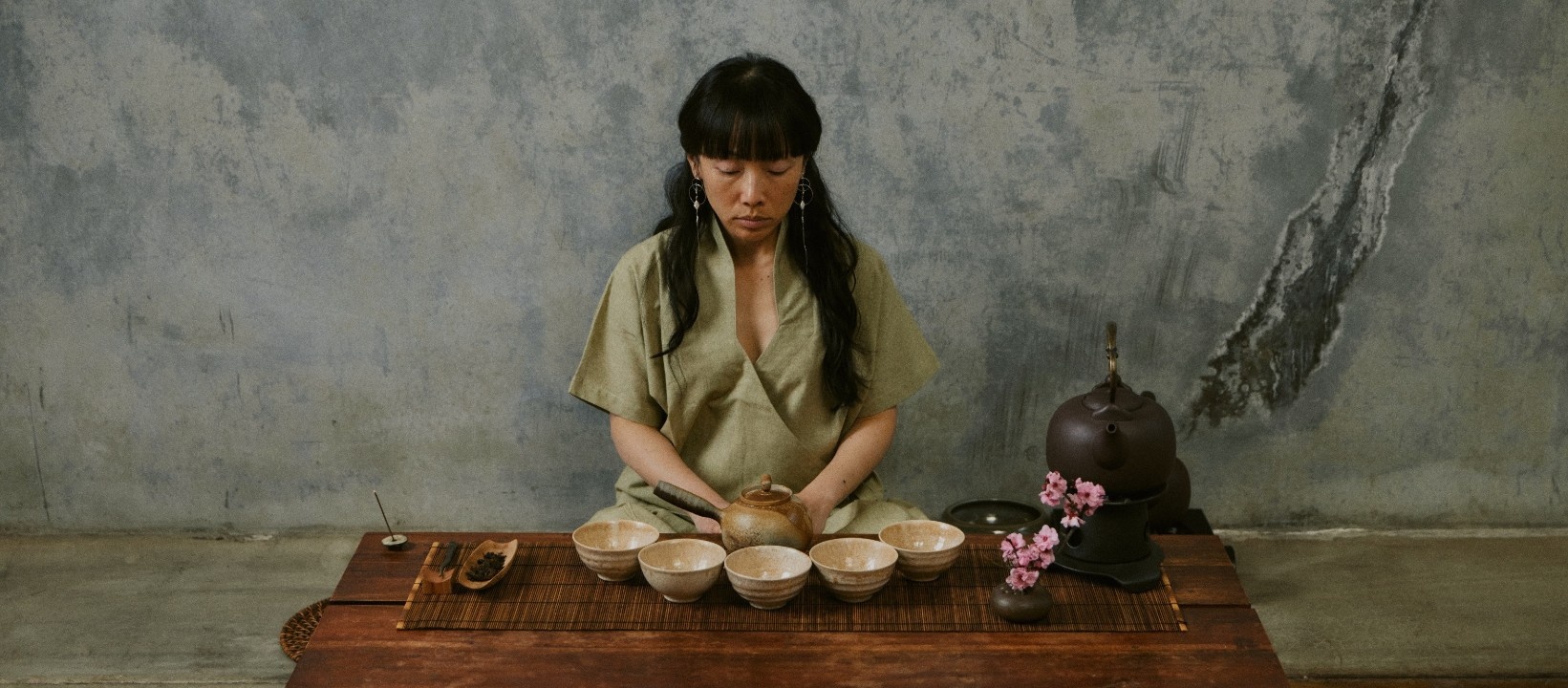
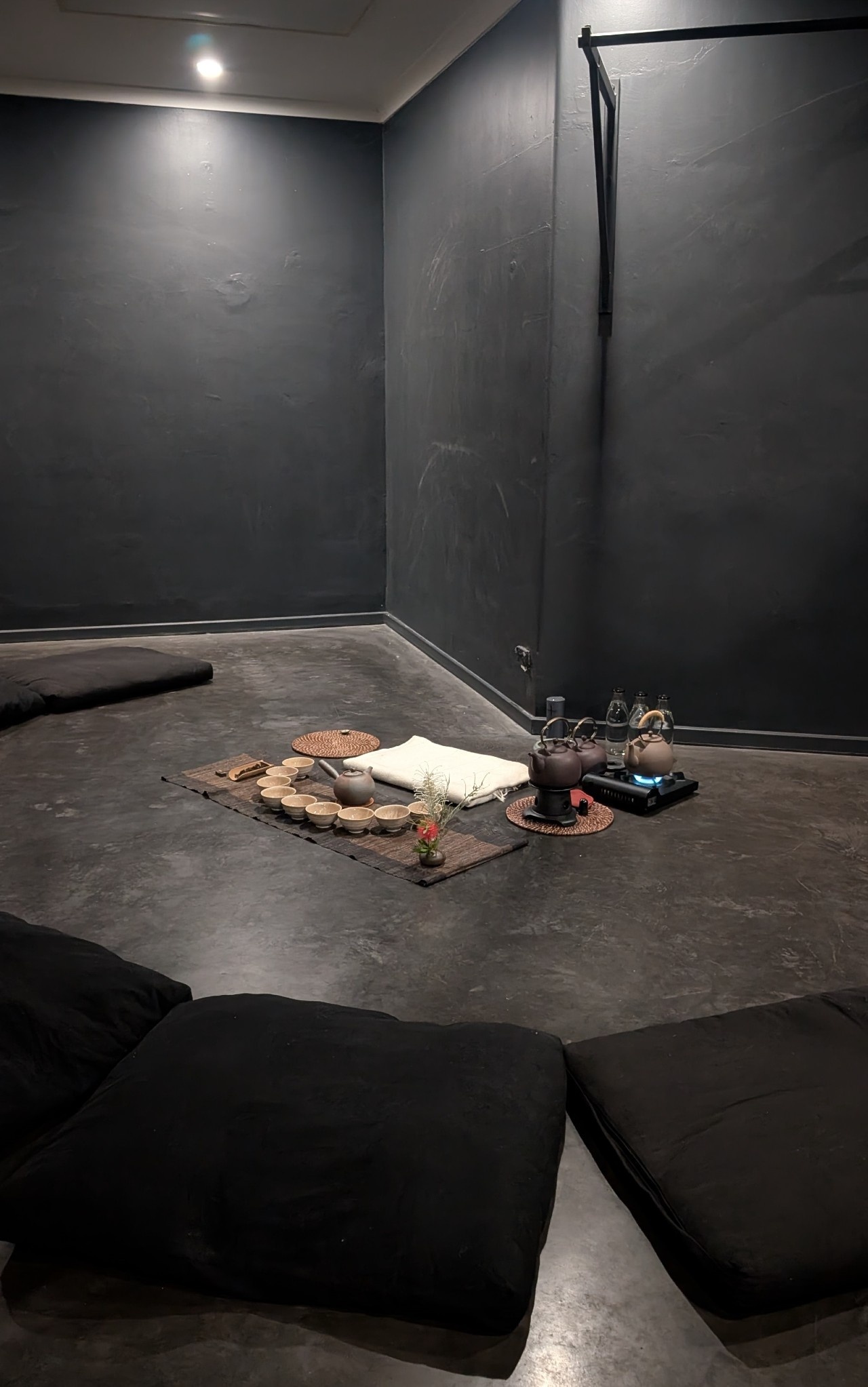
I have started to serve tea blends during my recent tea ceremonies using my sidehandle teapot with the goal to one day boil these tea blends in a cauldron.
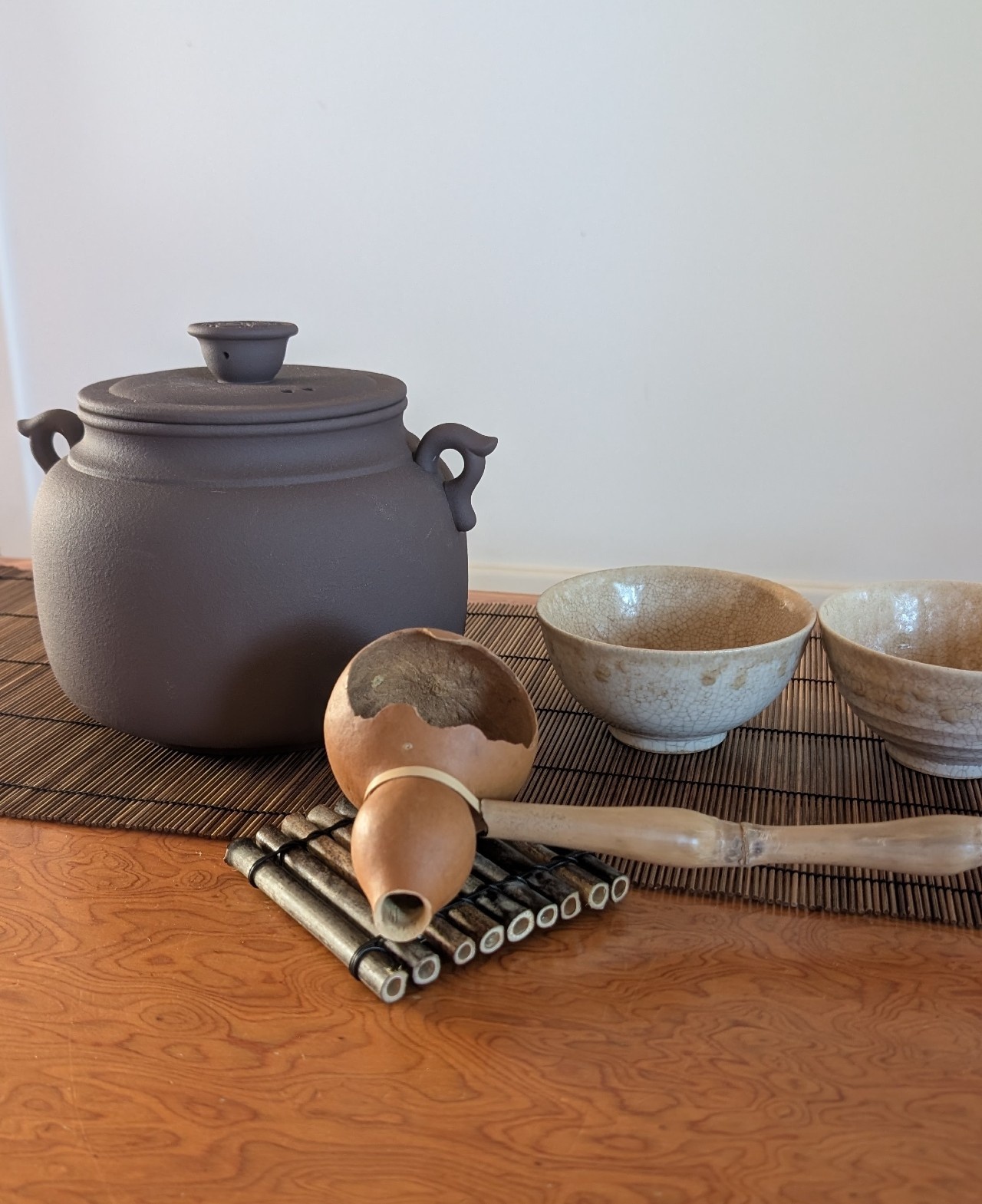
So join me for tea in Winter, one day the teapot will be replaced with a cauldron and ladle!