͏‌ ͏‌ ͏‌ ͏‌ ͏‌ ͏‌ ͏‌ ͏‌ ͏‌ ͏‌ ͏‌ ͏‌ ͏‌ ͏‌ ͏‌ ͏‌ ͏‌ ͏‌ ͏‌ ͏‌ ͏‌ ͏‌ ͏‌ ͏‌ ͏‌ ͏‌ ͏‌ ͏‌ ͏‌ ͏‌ ͏‌ ͏‌ ͏‌ ͏‌ ͏‌ ͏‌ ͏‌ ͏‌ ͏‌ ͏‌ ͏‌ ͏‌ ͏‌ ͏‌ ͏‌ ͏‌ ͏‌ ͏‌ ͏‌ ͏‌ ͏‌ ͏‌ ͏‌ ͏‌ ͏‌ ͏‌ ͏‌ ͏‌ ͏‌ ͏‌ ͏‌ ͏‌ ͏‌ ͏‌ ͏‌ ͏‌ ͏‌ ͏‌ ͏‌ ͏‌ ͏‌ ͏‌ ͏‌ ͏‌ ͏‌ ͏‌ 
Is this email not displaying correctly? View it in your browser.
Image description

 Worth
 Reading 


Image description

Papers  

European Centre for Development Policy Management

by 

(ALC) Hanne Knaepen

and

(NC) Cecilia D'Alessandro

and Rossella Palmieri


July 1, 2026

Image description

Unlocking climate-resilient

investment along the Abidjan-Lagos Corridor

through agro-logistics

and cassava value chains

Image description

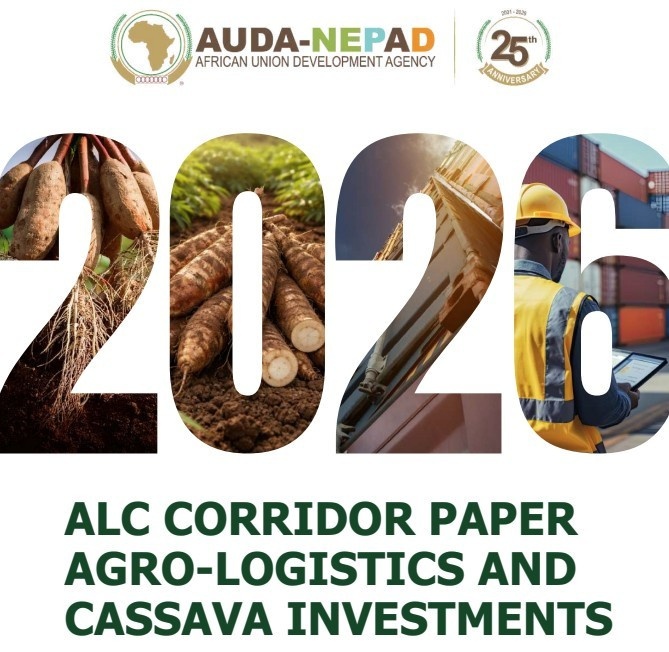
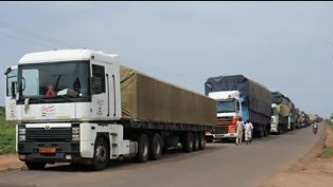
The Abidjan–Lagos Corridor (ALC) aims to provide regional connections within one of the world’s fastest growing urban markets. Rapid urban growth and rising food demand along the corridor offer opportunities for regional trade, value addition and investment. Yet in practice, it remains a high-friction trade route, characterised by fragmentation, persistent non-tariff barriers and high levels of informality. Unlocking the ALC’s potential will require going beyond the current focus on transport infrastructure towards making it a climate-resilient trade and logistics system.

Read more... ►►
Download paper (pdf) ►►

Unlocking climate-resilient

agrologistics and cold chain

investments along the Northern Corridor

Image description

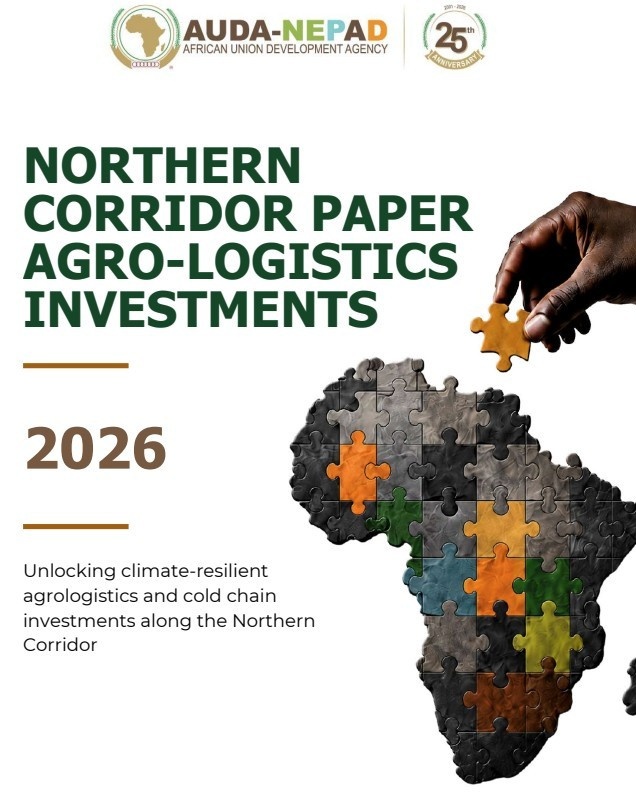
The Northern Corridor connects the Port of Mombasa in Kenya to the hinterland countries of Uganda, Rwanda, Burundi, South Sudan and the Democratic Republic of the Congo. This note sets out a vision and investment case for climate-smart agrologistics and cold chain development along the Northern Corridor in East Africa. It examines current constraints, emerging opportunities and priority actions required to unlock inclusive regional trade, reduce food losses and strengthen food security and safety across the wider region of East and Central Africa.

 Worth
 Reading 


Image description
Image description

Policy Paper   

Polish Institute of International Affairs

by 

Jędrzej Czerep

May 19, 2026

The Lobito Corridor - seeking synergies between the Global North and Africa

Image description

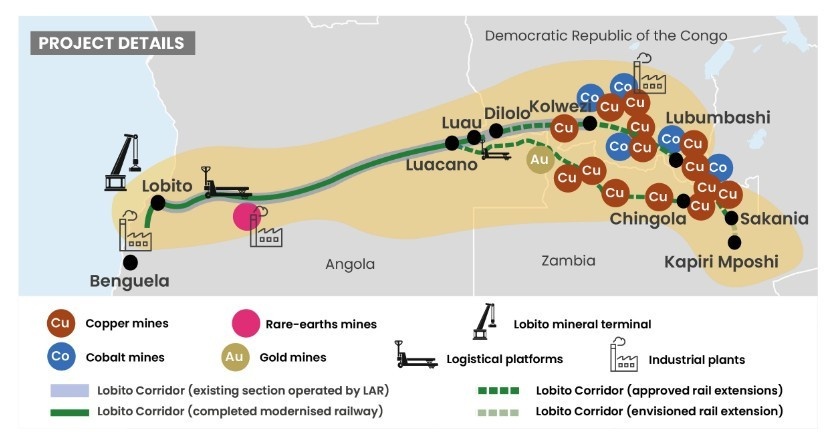
For the European Union and the US, the Lobito transport corridor—a network of rail links leading to the port of Lobito in Angola—is the flagship infrastructural project in Africa.

The corridor is intended to streamline exports to the EU and the US of raw materials essential for the development of new technologies, particularly copper and cobalt from the Democratic Republic of the Congo (DRC), and in future also from Zambia.

.The region – rich in raw materials – is the subject of intensifying competition among global powers. Therefore, the sustainable nature of the project is intended to serve as an example that cooperation with the West can be more beneficial than with China.

Despite progress in implementing the project, the benefits for the participating African countries remain limited for the time being. From the perspective of African nations, the success of the project’s subsequent phases will be closely linked to meeting their development expectations, along with respecting their aspirations to gain greater control and decision-making power over the use of their natural resources.

For the EU, it will be crucial to maintain its image as a reliable and supportive partner for these aspirations. Against this backdrop, differences with the US are becoming increasingly apparent, offering an opportunity which the EU may turn to its advantage..

 Worth
 Reading 


Image description
Image description

Policy Brief   

German Institute of Development and Sustainability

by 

Ncube, Tomy and

Susan S. Ekoh

Volume 14/2026

Building social cohesion through livelihood support in climate-related internal displacement settings: evidence from Zimbabwe and Mozambique

Image description

Climate-related extreme weather events are increa-singly displacing communities across Southern Africa, with negative implications for social cohesion, livelihoods, and community resilience. Understanding how displacement erodes social cohesion is important for developing strategies for restoring it. Evidence shows that livelihood support interventions, for example, cash‑based assistance, in-kind transfers (agricultural inputs) up to skills development programmes, are a pathway for mending or strengthening social cohesion in displacement contexts. Yet, in some cases, they can further fragment it. This requires strategies under which such interventions can be deployed to positively shape social cohesion outcomes.

This Policy Brief synthesises insights from qualitative research conducted from 2023 to 2025 with displaced communities and host populations in Zimbabwe (Chimanimani and Tsholotsho districts) and Mozambique (Guara Guara, Grudja and Praia Nova). It examines how livelihood interventions can either rebuild or further fragment social cohesion, identifies critical factors driving cohesion outcomes, and provides evidence-based recommendations for national governments, humanitarian actors, and development co-operation actors working in climate-displacement contexts across Southern Africa.

 Worth
 Reading 


Image description

Corporate document  

European Centre for Development Policy Management

June 29, 2026

Image description

ECDPM Annual Report 2025

Image description

In ECDPM's Annual Report 2025, we reflect on a year defined by geopolitical fragmentation, intensified debates over international financing and climate, and a reassessment of the Africa-Europe partnership. The report offers a snapshot of our work and the contributions we made to advancing international cooperation and sustainable development in a complex global landscape

 Worth
 Reading 


Image description

Policy Brief

European Council

by

Sarah Logan

May 6, 2026

Image description

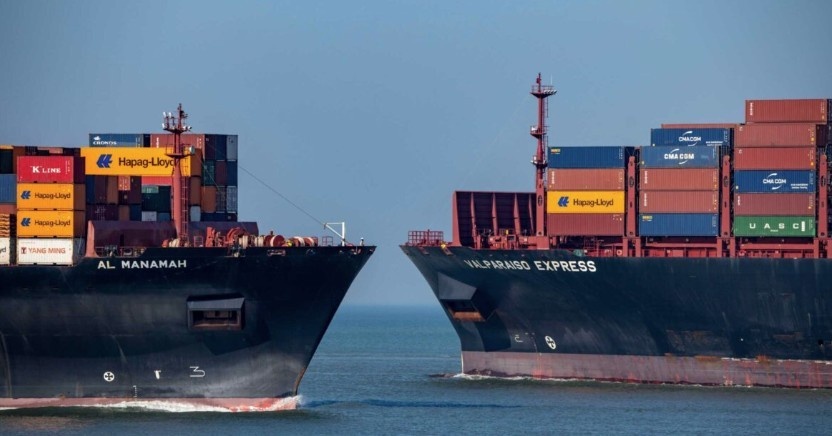
The ammonia age: How Europe and Africa can steer global shipping to net zero

Image description

The International Maritime Organisation’s Net-Zero Framework offers the most effective path to decarbonise global shipping.

The Net-Zero Framework would establish uniform global emissions rules, levelling the playing field for regions like the EU where carbon pricing already applies, supporting European industrial competitiveness and resilience.

Adoption of the framework could unlock demand and investment for green-hydrogen-based fuels, the most viable green fuels suitable for long-distance shipping, helping to scale production and lower costs.bring closer.

This policy brief argues that Africa and Europe should act together to secure adoption of the NZF and sets out how Europe can bring Africans on board. There is considerable scope for cooperation. For African countries, the NZF opens the prospect of developing new green-fuel industries rather than only occasioning the costs of transition. Green hydrogen-based fuels, notably green ammonia and green methanol, present the most promising fuels to drive maritime decarbonisation. The NZF could act as a market catalyst, providing predictable demand that will help scale production and reduce costs over time.

 Worth
 Reading 


Image description

Article

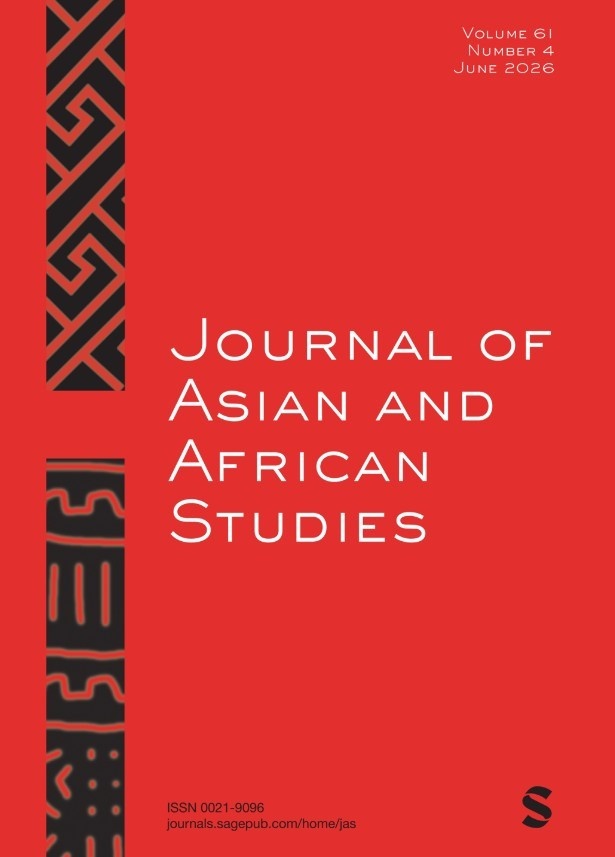
Journal of Asian and African Studies

by

Edknowledge Mandikwaza

Volume 61, #4, June, 2026

Image description
Image description

Too many mediators, too little peace: Overlapping interventions undermining sustainable peace efforts in the

Democratic Republic of Congo

Image description

Since the Second Congo War outbreak in 1998, regional and international mediation efforts have struggled to deliver sustainable peace in the Democratic Republic of Congo (DRC). Plentiful literature attributes this failure to flawed peace agreements that sidestep conflict root causes and lack of credible enforcement mechanisms. However, this article argues that, beyond conflict root causes and the content of peace agreements, the proliferation of multimediation interventions has created overlapping and fragmented processes that undermine the coherence and effectiveness of peace initiatives in the DRC. These overlapping mediation interventions are further complicated by competing mediator interests and strategic coordination blunders.

Read more... ►►

 News


Image description

Website launch  

The AfRi Practice Hub

July 7, 2026

Image description

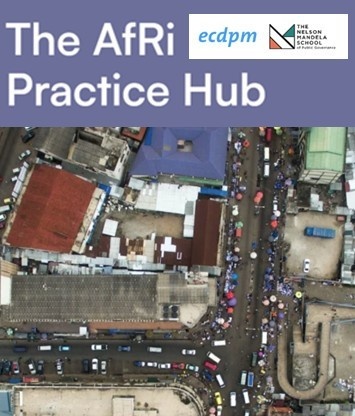
The AfRi Practice Hub

Image description

On July 7th, 2026 - African Integration Day, ECDPM, in collaboration with the Nelson Mandela School of Public Governance, will host an online launch for a new African Regional Integration initiative: the AfRI Practice Hub.

The AfRi Practice Hub is a go-to hub for understanding regional integration in Africa. Designed for both newcomers and experts, it provides a comprehensive overview of Africa’s diverse regional organisations, trade agreements, transport corridors and value chains. By centralising analysis and practical resources, the hub aims to help turn Africa’s integration ambitions into reality.

What we explore

The AfRi Practice Hub is structured according to three key objectives of the African regional integration landscape: cooperation through regional organisations, trade along corridors and industrialisation through value chains. We examine these dimensions individually, but also explore the dynamic interplay between all three.

Partners

The AfRi Practice Hub is an initiative by ECDPM with researchers from The Nelson Mandela School of Public Governance at the University of Cape Town. It is funded by the European Union under the Team Europe Technical Assistance Facility to Support the AfCFTA and Continental Economic Integration (EU-TAF).

Explore the website... ►►

 News


Image description

Humanitarian Aid  

United Nations

July 6, 2026

Image description

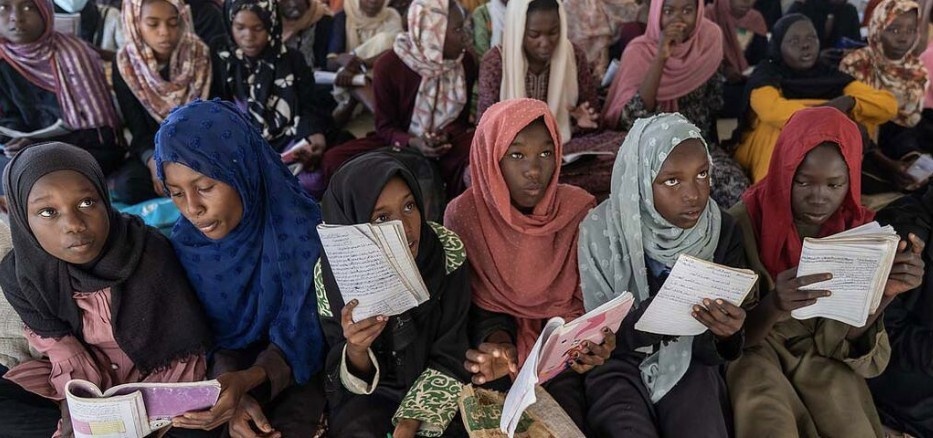
Sudan: Amid lethal drone attacks,

children bear brunt of escalating war

Image description

Children across Sudan continue to bear the brunt of a war that is becoming increasingly deadly, with at least 330 children reported killed or injured during the first six months of 2026, the UN Children’s Fund (UNICEF) said on Monday, July 6th, 2026.

“Children are being caught in a relentless cycle of violence, displacement and deprivation,” said Sheldon Yett, UNICEF representative for Sudan.

“For many children, there is no safe place left. They are being killed and injured in their homes, on the roads, in markets and while attempting to access essential services such as education and healthcare. Children must never be a target. Their lives, rights and futures must be protected.”

According to reports, drone attacks accounted for 60 per cent of these casualties, highlighting the growing impact of this method of warfare on children and families as the war that erupted between rival militaries in April 2023 continues.

Read more... ►►

 News


Image description

Economic Development  

United Nations Economic Commission for Africa

June 29, 2026

Image description

Boosting women’s digital entrepreneurship in Burkina Faso, Congo, Ethiopia & Namibia

Image description

The United Nations Economic Commission for Africa (UN ECA) has launched a new regional project aimed at strengthening women’s participation in the digital economy across Burkina Faso, Ethiopia, Namibia, and the Republic of Congo.

The initiative titled ‘Fostering Digital Entrepreneurship among Women in Africa’ seeks to address persistent structural barriers that limit women’s access to digital skills, financial services, and online markets.

At the same time, it aims to bridge existing gaps in policy and regulatory environments. It will help governments create more inclusive and gender-responsive policy and regulatory frameworks to support digital entrepreneurship.

Read more... ►►

 News  


Image description

Press Release

Delegation of the European Union to the African Union

June 11, 2026

Image description

 EU concludes modernised

Economic Partnership Agreement

with Sub-Saharan Africa partners

Image description

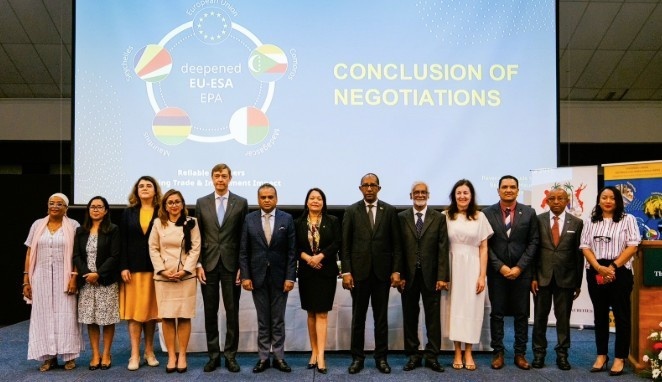
On Jun 10, 2026, the EU and four Eastern and Southern Africa (ESA) States (Comoros, Madagascar, Mauritius, and Seychelles) concluded negotiations on an enhanced Economic Partnership Agreement (EPA). Commissioner for Trade and Economic Security, Maros Šefčovič, participated via videoconference in the conclusion ceremony that took place on June 11th in Mauritius. The EPA represents the first of its kind signed between the EU and partners in Sub-Saharan Africa, and sets an important benchmark for future EU-Africa economic relations. It will remain open for accession by other ESA countries.

Read more... ►►

 News  


Image description

Press Release

East African Community

June 24, 2026

Image description

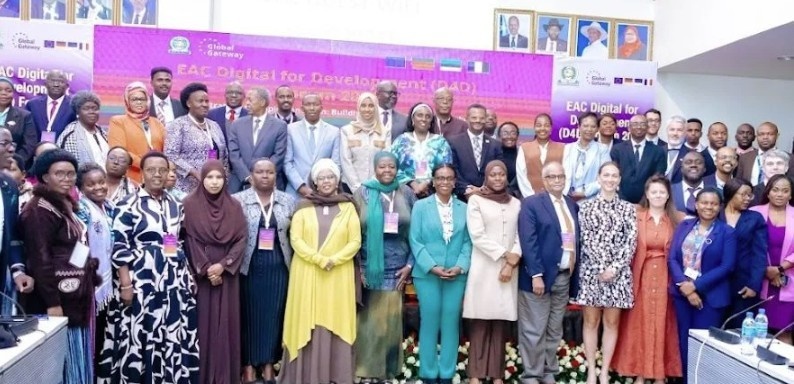
 EAC convenes 2026 Digital for Development Forum to fast-track regional digital integration

Image description

East African Community Headquarters,

Arusha, Tanzania, 24th June, 2026:

The East African Community (EAC) has intensified efforts to accelerate regional digital integration by convening the 2026 Digital for Development (D4D) Forum, a high-level platform aimed at translating regional digital strategies into concrete actions, investments and partnerships that will benefit citizens and businesses across East Africa.

The Forum brings together senior policymakers, regulators, parliamentarians, central banks, private sector leaders, civil society and development partners to advance implementation of the region’s digital transformation agenda under the theme “From Strategy to Implementation: Building the Single Digital Market.”

Read more... ►►

 News  


Image description

Conferences and Summits

European Commission

June 9-10, 2026

Image description

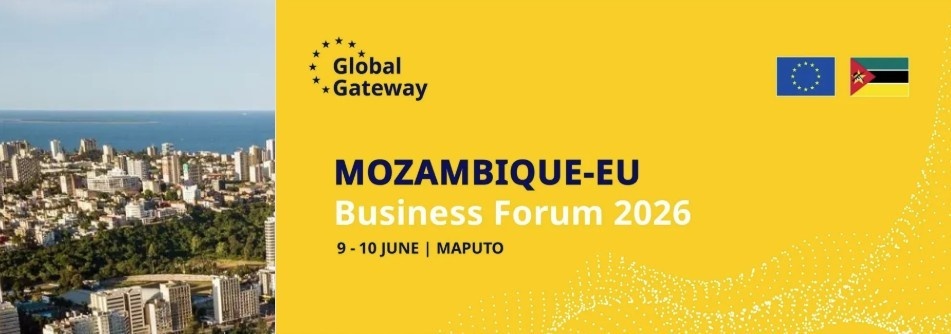
Mozambique - EU Global Gateway

business forum 2026

Image description

Organised by the Government of Mozambique, the European and Mozambican Chambers of commerce, the Agency for Promotion of Investment and Exports (APIEX), the EU and its Member States, in a Team Europe approach, the Forum aimed at offering a unique platform to enhance networking and explore win-win investment and business opportunities. Mozambique’s abundant natural resources, not yet fully explored, a strategic location allowing economic corridors vital for inland countries in the region, and its potential to become an energy powerhouse and a logistical hub for the whole region, makes it a truly unique investment destination.

Read more... ►►

 News 


Image description

Commentary  

European Centre for Development Policy Management

by

Laure Blanchard-Brunac

June 24, 2026

Image description

Teamwork brings unique energy:

Ways forward for

‘Investing in Young Businesses in Africa’

Image description

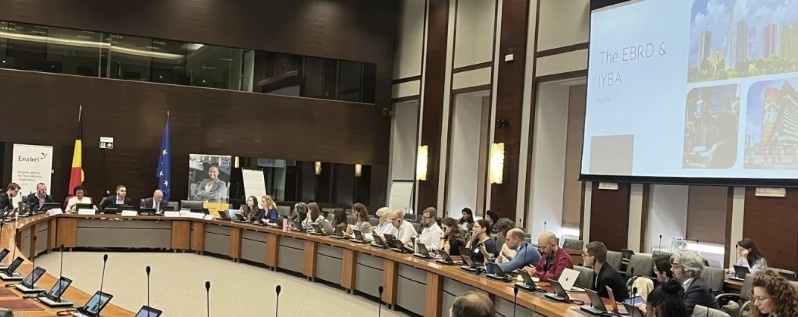
By 2050 over 620 million young Africans are expected to enter the labour force. Laure Blanchard-Brunac looks back at the latest meeting of the Team Europe initiative ‘Investing in Young Businesses in Africa’, where key priorities were discussed for the year ahead. These include: alignment with Global Gateway, strengthened engagement with the European private sector, private capital mobilisation, and the economic empowerment of women and youth.

Read more... ►►

Studying

Opportunities 


Image description

Applications

Ireland Fellows Programme

June 29-July 26, 2026

Image description

Ireland Fellows Programme

Image description

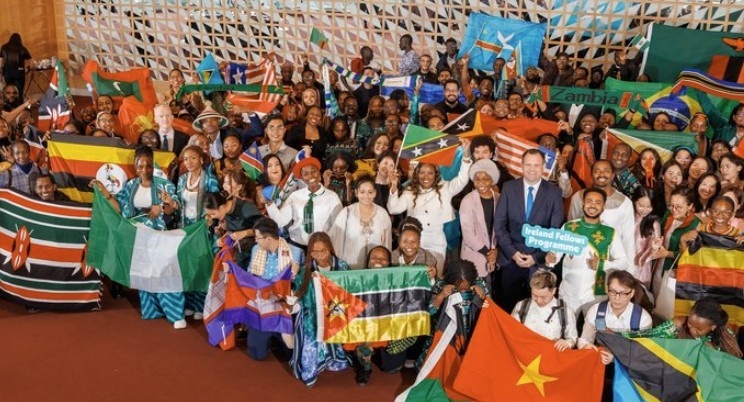
The Ireland Fellows Programme offers people from around the world the opportunity to spend one year studying in Ireland.

Ireland believes that education is central to creating a better world. The programme is fully funded by the Irish Government and is offered under the auspices of the Department of Foreign Affairs and Trade.

Almost 4,000 people have studied in Ireland over the past 50+ years as part of the programme.

Read more... ►►

 Podcast  

  The Crisis Group - The Horn 

  June 29, 2026


Image description
Image description
Image description
Image description

The Scramble for the Red Sea

Is Not Cooling Down


Host Alan Boswell

with Federico Donelli

Image description

In this episode of The Horn, Alan Boswell is joined by scholar Federico Donelli, author of the recent book Power Competition in the Red Sea, to assess the shifting geopolitics of the Red Sea region. They trace the region’s long history as an arena for great-power competition before turning to the new scramble that has reshaped it since the turn of the millennium, as Gulf states, Türkiye and other middle powers compete over ports, bases, supply lines and political influence. They examine how the UAE-Saudi rivalry is playing out in the region, how Ethiopia’s push for Red Sea access has reshuffled regional alignments, and how Houthi attacks have drawn Israel deeper into Red Sea security. They also consider Europe’s weight as a strategic actor and what future stability could look like in a region shaped by ad hoc coalitions, fluid alignments and non-state actors.

This episode is produced in partnership with the Friedrich-Ebert-Stiftung.

Read more... ►►

 Podcast  

  BBC - Focus on Africa 

  June 26, 2026


Image description
Image description
Image description

Why are Kenyan Gen Z’s still protesting?


Presenter Nkechi Ogbonna

Image description

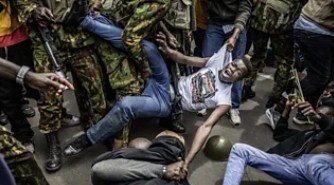
June 25 marks a turning point in Kenya’s history. What started in 2024 as youth-led protests against the Finance Bill grew into nationwide demonstrations. Led largely by Gen Z, protesters demanded justice for the fallen, an end to corruption, and real economic change. More than 60 lives were lost in the historic anti-tax protests.

In this episode we sit down with BBC reporters Akisa Wandera and Thomas Mukhwana. They break down why this leaderless youth movement refuses to back down and what this means for the future of Kenya.

Read more... ►►

 Podcast  

  BBC - Focus on Africa 

  June 23, 2026


Image description
Image description
Image description

Benin and Niger push toward border reopening


Presenter Nkechi Ogbonna

Image description

Niger has set strict conditions for reopening its border with Benin closed since the July 2023 military takeover. Among them are a new defence agreement, greater transparency over foreign military activities near the border, and the creation of a joint intelligence unit. The conditions were outlined during talks in Cotonou, Benin's commercial capital between a Niger delegation led by Maj Gen Mohamed Toumba, a member of the ruling military junta, and Beninese officials.


In The Gambia, the country is grappling with rising temperatures, coastal erosion, erratic rainfall, and growing pressure on communities that depend on agriculture and fisheries all due to climate change

Read more... ►►

 Podcast  

  The Crisis Group - The Horn 

  June 12, 2026


Image description
Image description
Image description

Mediating the Horn’s Wars:

An Exit Interview


Host Alan Boswell

with Babatunde Afolabi

Image description

In this episode of The Horn, Alan Boswell speaks with Babatunde Afolabi, former Africa Director at the Centre for Humanitarian Dialogue (HD), now Director of Political Affairs at the Economic Community of West African States (ECOWAS) Commission, about mediation and conflict resolution in the Horn of Africa. They discuss HD’s discreet work facilitating dialogue between conflict parties, and why the Horn’s history, politics and geopolitics make regional cooperation such a challenge. They turn to Ethiopia’s Tigray region, where the Pretoria agreement that halted two years of devastating war risks unravelling, and to Oromia, where HD- and IGAD-facilitated talks between the government and the Oromo Liberation Army came close to a deal before collapsing. They also discuss Sudan’s hard-to-resolve war, prospects for dialogue with Al-Shabaab in Somalia, and why locally grounded dialogue remains essential to ending wars.

Read more... ►►

 Book Review


Image description

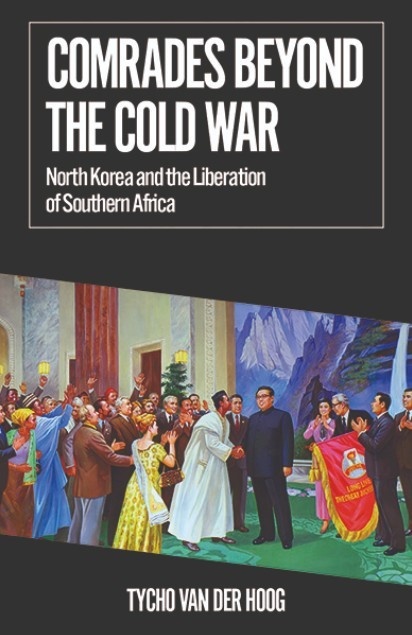
Comrades beyond the Cold War:

North Korea and the liberation of southern


Tycho van der Hoog, 

Africa, London: Hurst. 2025

Image description

Tycho van der Hoog's Comrades beyond the Cold War is a very well-researched and highly original contribution to the historiography of African liberation movements and North Korea's international relations. Challenging the conventional assumption that Pyongyang's African engagement was merely a by-product of Cold War bipolarity, the book demonstrates that many of these relationships not only survived the end of the Cold War but evolved into enduring political, military and economic partnerships.

Drawing on extensive archival research and interviews, van der Hoog reconstructs the complex networks that linked North Korea with liberation movements in Angola, Mozambique, Namibia and Zimbabwe, revealing how shared experiences of anti-colonial struggle, organizational solidarity and ideological affinity laid the foundations for remarkably resilient interstate relations.

One of the book's greatest strengths lies in its ability to connect historical processes with contemporary African politics. Van der Hoog persuasively argues that the institutional legacy of liberation movements—what he terms the "party-military complex"—helps explain why North Korea has remained an attractive partner for several southern African governments long after ideological confrontation between East and West had faded.

Equally illuminating is his discussion of the Mansudae Overseas Projects, through which North Korean architects and artists helped construct monuments, museums and memorials that reinforced liberation narratives and ruling-party legitimacy across the region. By examining ideology, military cooperation, symbolic politics and economic exchanges within a single analytical framework, the book offers a nuanced understanding of how historical memory continues to shape international alignments.

It is an outstanding study that will be of considerable interest not only to scholars of African politics and international history but also to researchers of authoritarian resilience, South–South cooperation and the global legacy of decolonization.

 AfriquEupope

 Upcoming Event

  10th Conference

  Arusha, Tanzania

  September 3-4, 2026


Image description
Image description
Image description

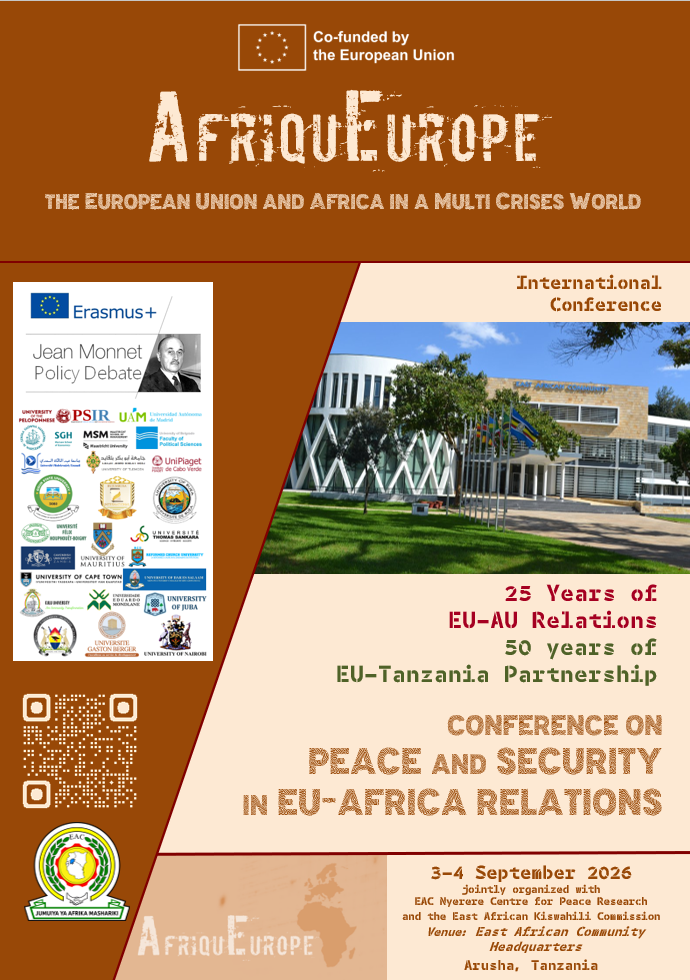
AfriquEurope Project - 10th Conference


25 years of EU-AU Relations

50 years of EU-Tanzania Partnership


Peace and Security

in EU-Africa Relations


jointly organized with

East African Community (EAC)

Nyerere Centre for Peace Research

and the East African Kiswahili Commission (EAKC)

Conference Webpage ►►
Image description
AfriquEurope-consortium-logos
Image description

AfriquEurope Newsletter Editorial Team

  • Asteris Huliaras

  • Sotiris Petropoulos

  • Alexandros Legouras

  • Angeliki Fotopoulou

  • Costas Mylonopoulos

The AfriquEurope project and the University of the Peloponnese acting as the AfriquEurope's project consortium coordinator are committed to protecting and respecting the privacy of users of its online services and comply with the General Data Protection Regulation (Regulation (EU) 2016/679 of the European Parliament and of the Council of 27 April 2016). It does not disclose personal data to third parties and applies reasonable policies and technical and organizational measures in order to protect the personal data of users.
If you would like to unsubscribe, please click here.
Powered by Sender.net